
Corporate wellness fitness tracking is the voluntary use of activity-monitoring devices with the aim of supporting employees’ everyday movement and personal health habits. Choosing a fitness tracker for corporate wellness programs requires more than comparing sensors: you need a participation model that respects privacy, accommodates different abilities, and works across shifts.
- Choose a fitness tracker for corporate wellness programs around voluntary participation, not employee surveillance.
- Actxa is best for individual wellness-device selection, not as a substitute for employer program management.
- Compare fitness bands, smart rings, and manual activity logs before choosing corporate wellness wearables.
- Pilot your participation rules and support process before expanding device distribution.
Why fitness tracking matters for corporate wellness programs
A workplace program has different requirements from an individual fitness purchase. Employees need control over participation; program managers need a workable enrollment process without collecting unnecessary personal health information.
Buy for the behavior you want to support, not the largest sensor list. A voluntary movement-break initiative needs a different setup from private sleep tracking. Treating those goals as interchangeable creates unnecessary data collection and confusing expectations.
For your 2026 program, separate device selection from program administration. Actxa sells consumer wellness devices; an employer still needs its own participation rules, support ownership, and privacy review. A consumer product listing is not confirmation of an employer dashboard, administrative controls, or workplace reporting.
A useful program also needs an answer for employees who cannot wear the selected device. Job safety rules, personal preferences, mobility differences, and phone access belong in the selection criteria, not in an exception process created after launch.
How to choose and introduce corporate wellness trackers
Define one voluntary program goal
Start with a written goal and a simple activity log. You can invite employees to record movement breaks or personal activity sessions without purchasing hardware or creating a shared health database.
Choose an outcome employees can influence without disclosing medical information. For example, participation in a self-selected movement routine is a clearer program objective than asking everyone to reach the same body-weight or sleep target.
Write down what success means before selecting devices. Enrollment alone does not tell you whether employees find the program useful, and device ownership does not establish a health benefit.
- Name the behavior: movement breaks, walking sessions, or personal activity awareness.
- Make enrollment and withdrawal voluntary.
- Offer an equivalent participation route without a wearable.
- Exclude individual health outcomes from performance reviews.
Set privacy boundaries before collecting data
Use a plain-language participation notice before introducing an app. Explain what employees keep private, what they submit, who receives submissions, and how withdrawal works.
The simplest approach is employee-held records with an optional participation check-in. An employer does not need access to a personal sleep history to ask whether a movement initiative is useful. Do not assume that a consumer device account separates workplace and personal information in the way your organization requires.
For a 2026 rollout, have your legal and privacy teams review the actual program design. In the United States, applicable obligations depend on the employer, information collected, and relationship to any health plan; a device purchase does not settle those questions.
- List every field the employer proposes to collect.
- Keep personal account credentials out of enrollment forms.
- Define access, retention, and deletion responsibilities.
- Review any reporting arrangement before enabling it.
Match the device format to employee preferences
Ask employees which format they would actually wear before choosing a model. A preference survey and hands-on fit check are useful starting points; neither requires collecting health measurements.
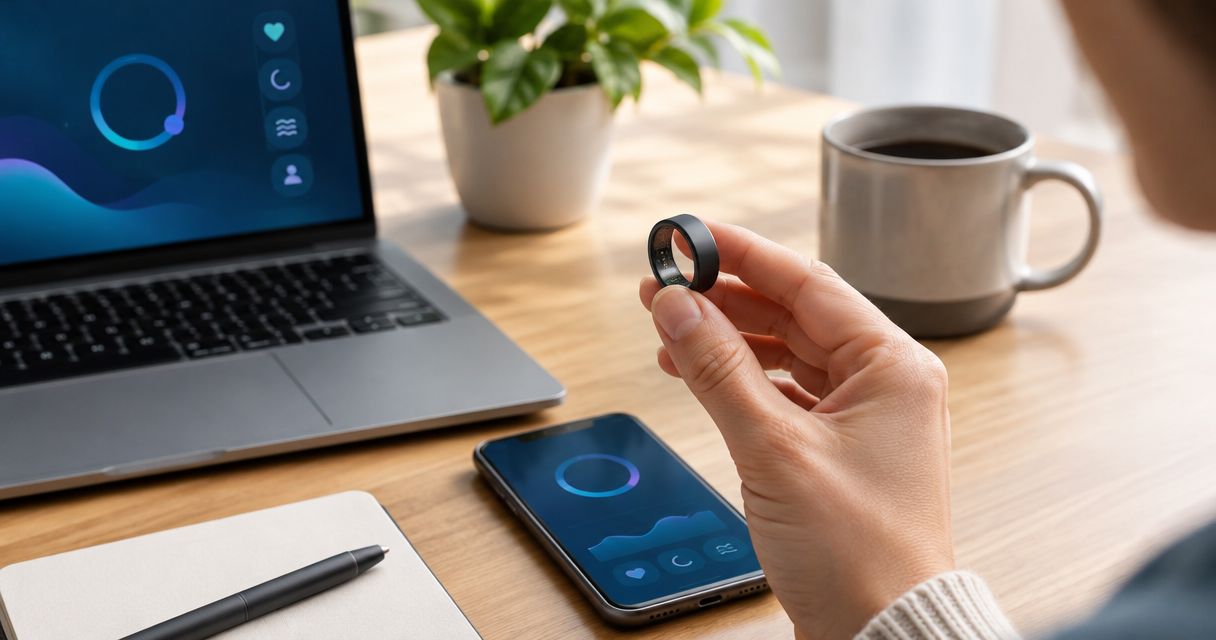
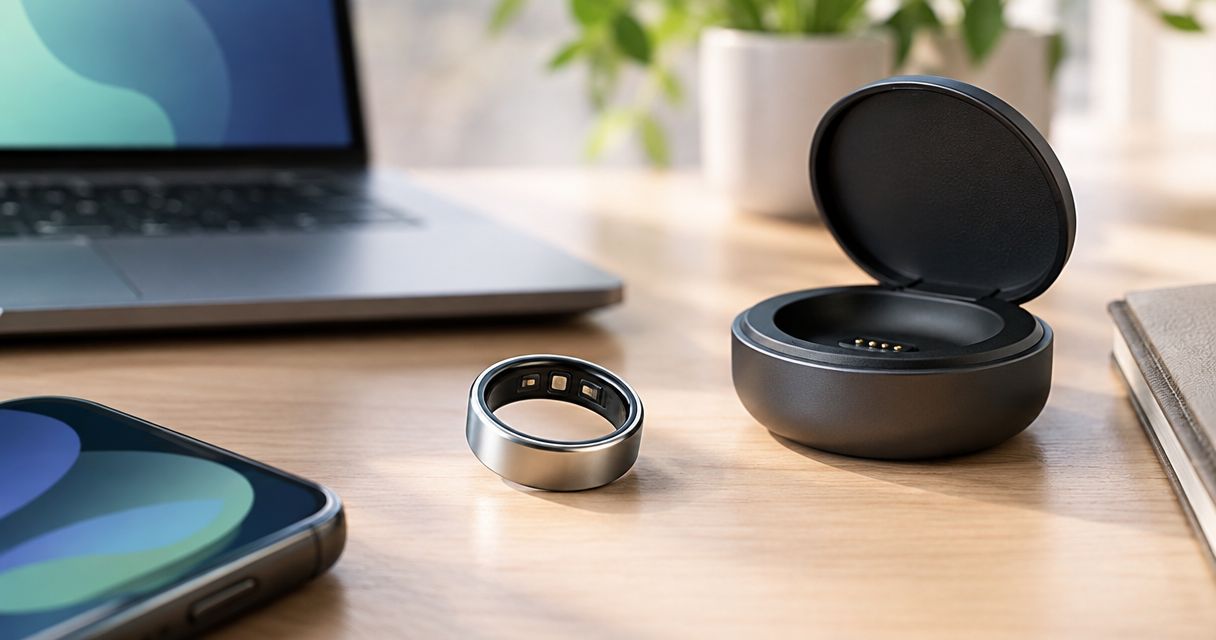
Actxa fitness trackers are best assessed as individual wellness devices within a separately managed program. Spark Band is a screenless band whose description includes activity, fitness, sleep, and recovery. Core Smart Ring is described as a discreet health-tracking wearable. Neither description establishes workplace administration or employer access to employee records.
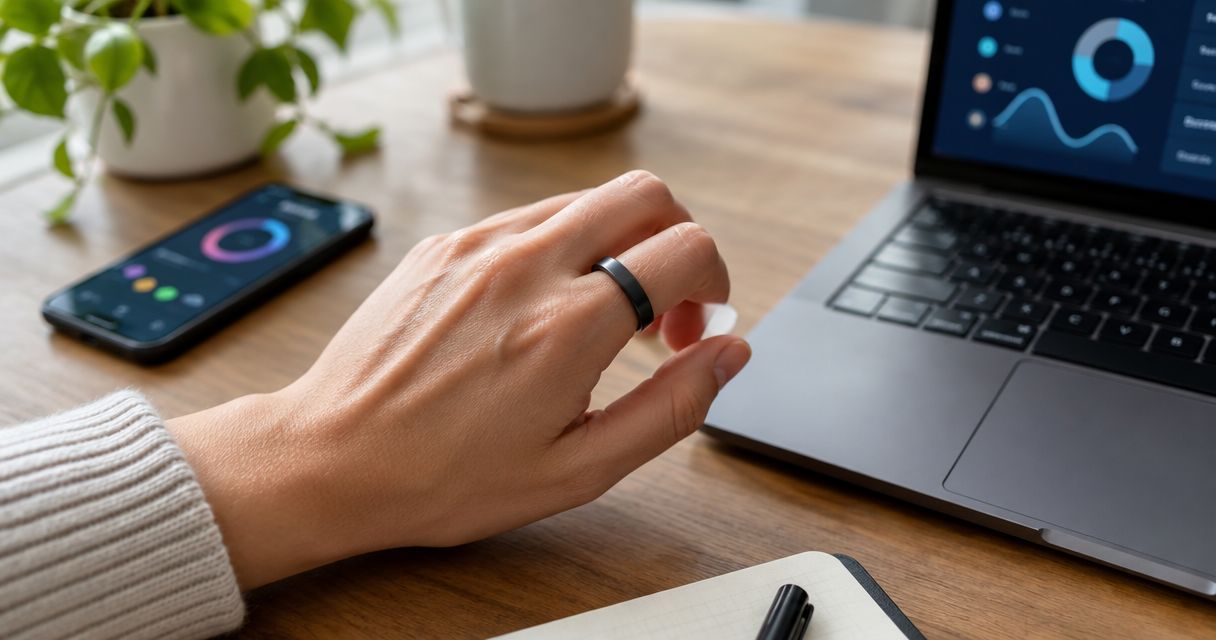
Choose the format first, then verify the exact features your program requires. A wrist-worn device and a ring introduce different fit considerations. Employees whose work restricts jewelry or wristwear need a non-wearable route rather than pressure to ignore workplace safety rules.
- Ask about wrist, finger, and no-device preferences.
- Check workplace rules before recommending wear during shifts.
- Verify phone compatibility and account requirements directly.
- Confirm fit guidance before collecting size selections.
Test setup and daily use with volunteers
Start with a manual enrollment sheet and a written setup guide. Give volunteers the same instructions you intend to use at launch, then observe where they need help rather than completing every task for them.
A device is a useful next step when employees want automatic personal tracking instead of repeated manual entries. Spark Band and Core Smart Ring provide different wearable formats; select between them through fit, stated features, and the employee’s intended use, not an assumed corporate integration.
Use a 4-week pilot as a planning window, not as a promise of measurable health improvement. Include volunteers from different schedules and work settings, and record setup problems separately from health information.
- Offer a 15-minute orientation covering setup and participation boundaries.
- Test account creation, charging instructions, and ordinary wear.
- Record support requests without copying personal health screens.
- Ask whether participants want to continue using the device.
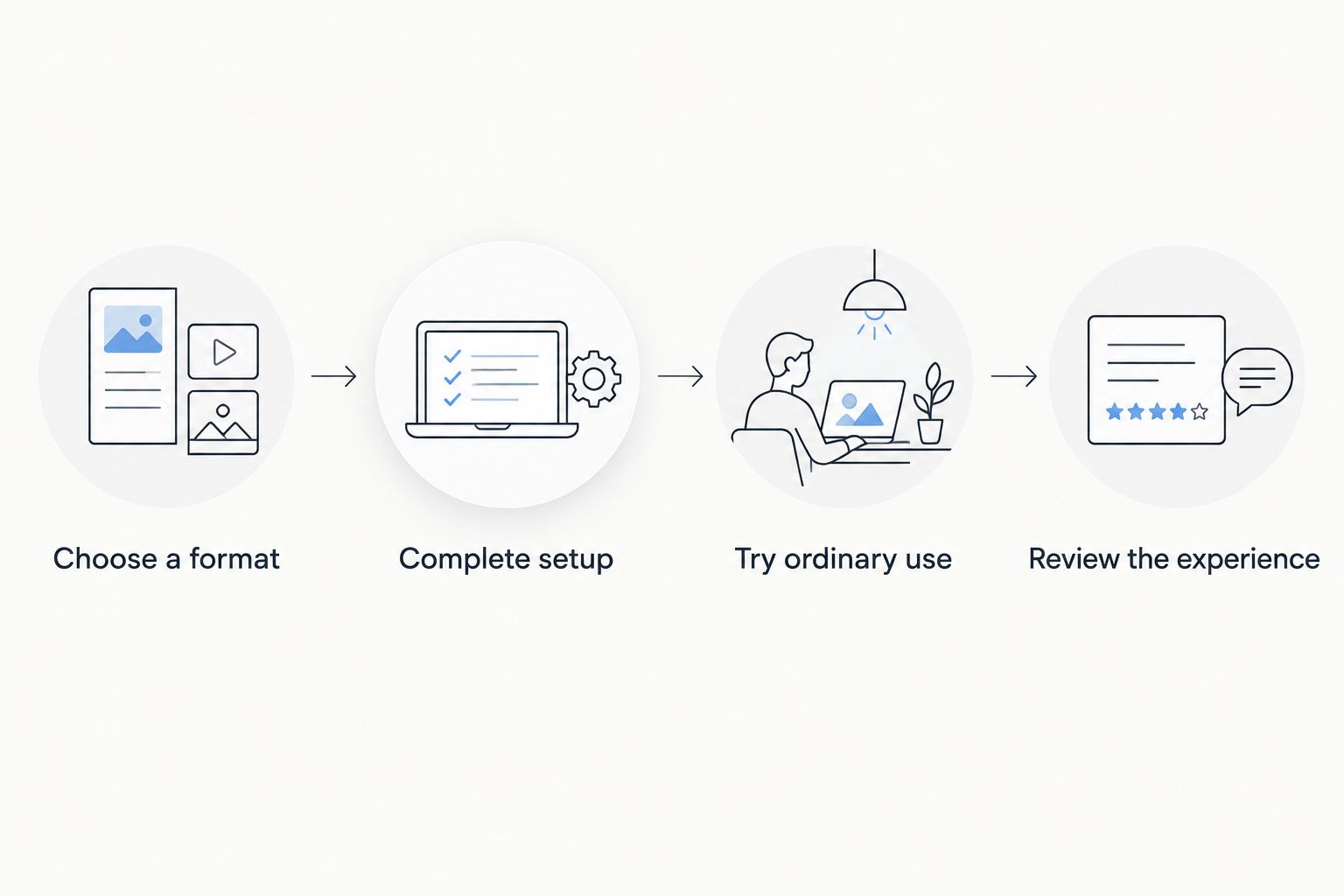
The pilot should test a sequence: choose a format, complete setup, try ordinary use, and review the experience. Skipping the everyday-use stage leaves comfort and support problems undiscovered until the wider rollout.
Build an inclusive participation model
Begin with self-selected goals and private logs. Let employees choose a suitable activity rather than defining participation exclusively through step counts, distance, or a wearable’s output.
A wearable can simplify personal recording for someone who wants it, but it should not become an eligibility gate. A seated movement routine, a walk, and an activity adapted to an employee’s circumstances need not produce comparable device readings to count as participation.
For your 2026 communications, describe the program as optional support for personal habits. Keep language about weight, recovery, and sleep separate from expectations about work performance. Managers should not interpret a personal wellness reading as evidence of effort or readiness for work.
- Provide a manual participation option alongside device use.
- Let participants select activities suited to their circumstances.
- Avoid public rankings of individual health measurements.
- Give shift workers equivalent opportunities to participate.
Assign support and procurement responsibilities
Create a shared instruction document and name a program owner before placing a wider order. Employees need to know whom to ask about enrollment, device setup, and privacy; those questions should not all land with their line manager.
Actxa wellness devices belong on the hardware shortlist when their stated features match employee preferences. Confirm procurement arrangements directly rather than assuming consumer checkout includes bulk enrollment, centralized billing, replacement management, or dedicated employer support.
Keep purchasing approval separate from health-data approval. A device can meet your format requirements while a proposed reporting workflow fails your privacy requirements. Resolve both before distributing devices across the organization.
- Assign an owner for enrollment and employee questions.
- Verify purchasing and support arrangements directly.
- Document how participants leave the program.
- Keep device troubleshooting separate from medical questions.
Measure usefulness without monitoring employees
Start with an optional feedback form and a small set of program-level measures. You can assess whether enrollment was understandable, setup was manageable, and participants want the program to continue without collecting their daily biometric records.
Use a 2-week check-in to identify setup friction during the pilot. At the end, distinguish continued participation, unresolved support problems, and employee satisfaction instead of combining them into an unsupported health-success score.
Before expanding your 2026 program, decide what findings would trigger a change. Repeated fit complaints call for a different format; confusion over reporting calls for clearer rules. Neither problem is solved by distributing more hardware.
- Track voluntary enrollment and withdrawal separately.
- Summarize setup and support issues by category.
- Ask participants whether the format fits their routine.
- Review feedback before approving wider distribution.
Compare options for your employee population
The best option is the one employees can use voluntarily within your program’s boundaries. These choices serve different purposes; a body-composition device is not a substitute for an activity wearable, and a consumer wearable is not an employer reporting platform.
| Option | Best for | Useful strength | Key limitation |
|---|---|---|---|
| Manual activity log | Employees who prefer no wearable | Supports self-selected participation without a new device | Requires manual entries; does not provide sensor measurements |
| Employee-owned wearable | Volunteers who already use a device | Lets employees keep a familiar personal routine | Different devices and settings complicate comparisons |
| Spark Band | Employees who prefer a screenless wrist format | Its description includes activity, fitness, sleep, and recovery | Employer administration and reporting are not established by the product description |
| Core Smart Ring | Employees who prefer discreet finger-worn tracking | Offers health tracking in a ring format | Requires attention to fit and workplace jewelry rules |
| Sense 2 Smart Scale | Employees seeking private body-composition tracking | Adds a different type of personal wellness measurement | Does not replace an activity tracker and is unsuitable for shared workplace weigh-ins |
For an activity-focused pilot, the band and ring are the relevant wearable candidates. The scale belongs in a separate, private body-metrics discussion rather than a company movement challenge. Check current product details before choosing either wearable; the descriptions alone do not establish every measurement, integration, or operating requirement.


Common mistakes corporate wellness teams make
Buying hardware before defining participation
Ordering devices does not answer what employees should do with them. Write the participation rules first, then purchase hardware that supports those rules. Otherwise, features become the program’s purpose instead of serving it.
Treating different devices as interchangeable
A ring, band, phone, and manual log do not produce identical records. Avoid cross-device leaderboards presented as precise comparisons of employee effort. Evaluate participation through the same written rules, not an assumption that every sensor behaves alike.
Making private measurements public
Sleep histories, body-composition readings, and recovery information are not appropriate material for team recognition boards. Ask for the minimum participation information your program needs, and leave personal interpretation with employees and their healthcare professionals.
Ignoring working conditions
A desk-based pilot does not test every employee’s experience. Include shift patterns, restrictions on personal devices, and jewelry rules in your assessment. Keep the no-device route equally visible in enrollment materials.
Assuming hardware includes corporate services
An individual wellness product does not establish centralized enrollment, reporting permissions, or employer support. Confirm each requirement directly and document the answer. Do not build a rollout around an integration or service that has not been verified.
FAQ
What is the best fitness tracker for corporate wellness programs?
The best fitness tracker is one employees can use voluntarily and that meets your verified program requirements. Compare format, setup, compatibility, privacy, and support before selecting hardware; keep a no-device participation option.
Is a fitness band better than a smart ring for employees?
Neither format is universally better for employees. A band suits people who prefer wristwear, while a ring suits people who prefer finger-worn tracking; fit and workplace safety rules should decide between them.
Can an employer see employees’ wearable health data?
Buying a wearable does not by itself establish employer access to personal health data. Access depends on the actual accounts, permissions, integrations, and reporting arrangements, which require review before enrollment.
Do employees need a wearable to join a wellness program?
Employees do not need a wearable for a program based on voluntary activity logs or participation check-ins. Offer a manual route so device preferences, compatibility, and workplace restrictions do not determine access.
Does Actxa provide a corporate wellness management platform?
The supplied product information describes consumer wellness devices, not a corporate wellness management platform. Confirm any employer administration, reporting, integration, or procurement requirements directly before planning around them.
Should a corporate wellness program include smart scales?
Smart scales belong in optional private body-metrics tracking, not shared workplace weigh-ins. Keep that choice separate from activity participation and avoid collecting individual body-composition records for team comparisons.
How should an employer evaluate a wearable pilot?
Evaluate whether employees can enroll, set up the device, use it comfortably, and get support without surrendering unnecessary personal information. Review voluntary feedback and operational problems before expanding the program.
One last thing
Before approving your 2026 rollout, test the withdrawal experience as carefully as enrollment. Ask a volunteer to leave the pilot, stop submitting participation information, and follow the documented account or data-request process.
A voluntary program needs a clear exit, not just an inviting signup form. If your team cannot explain what happens after withdrawal, fix the process before distributing more devices.