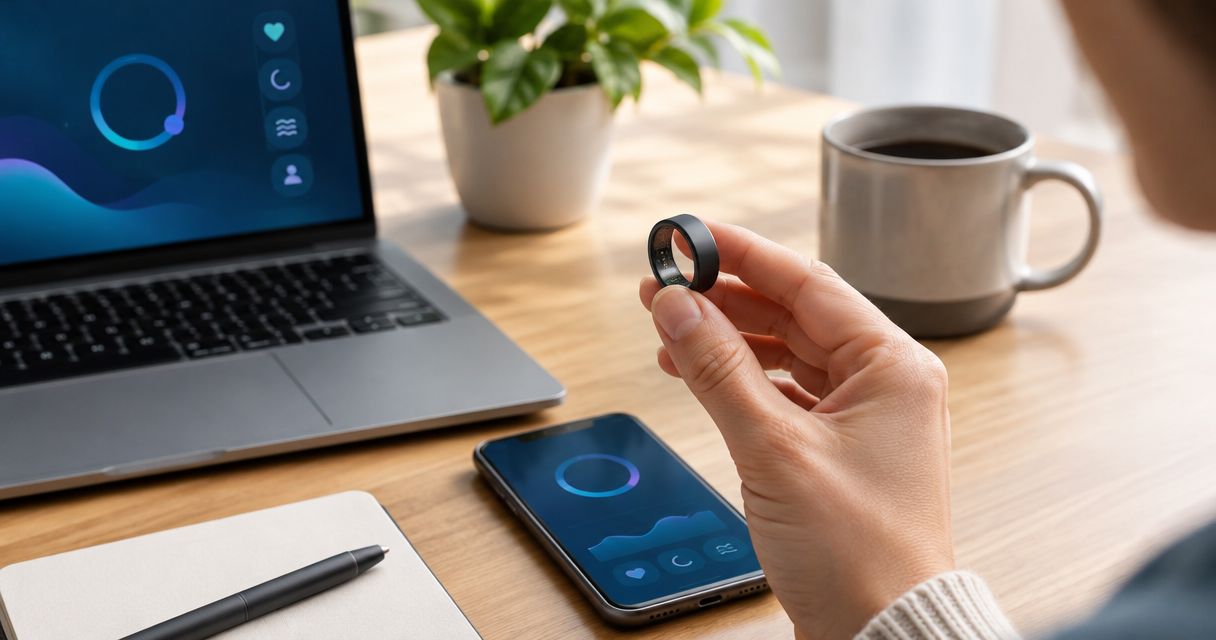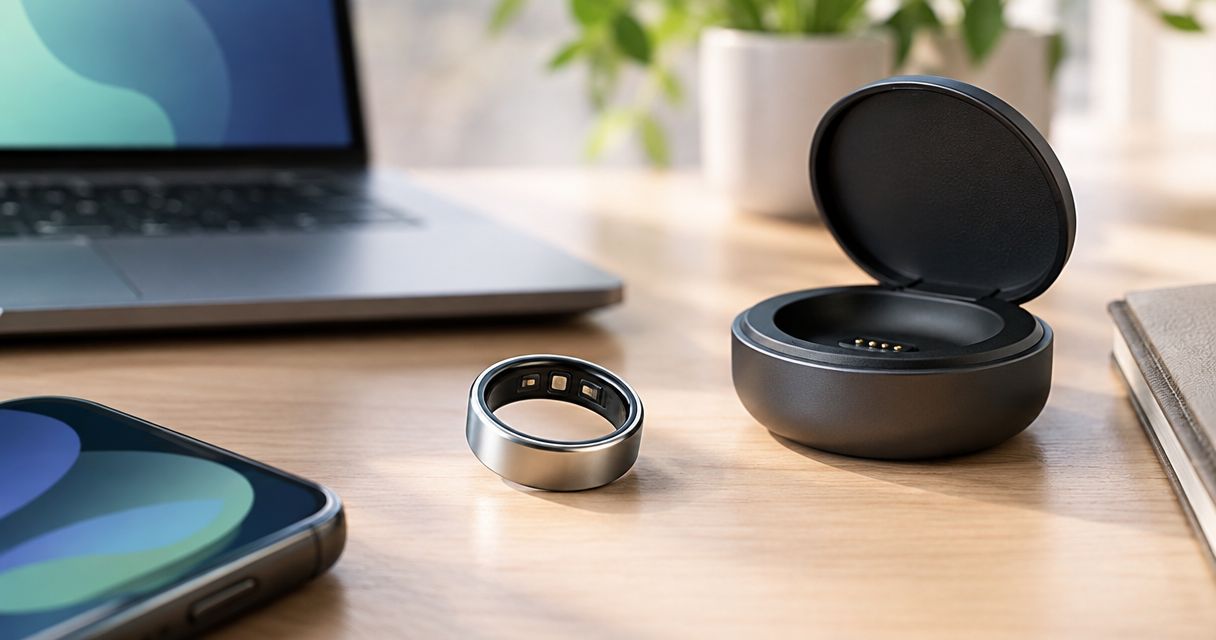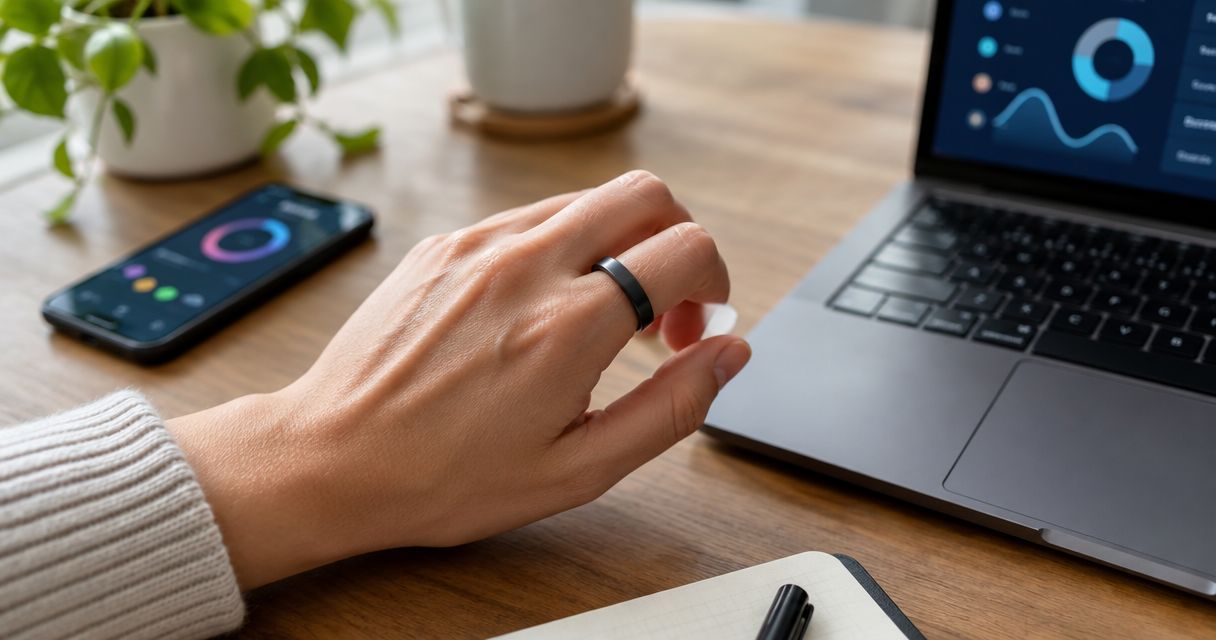

Menopause smart ring tracking is wearable-assisted wellness monitoring with the aim of helping you document sleep, symptoms, and daily patterns during the menopause transition. A smart ring for menopause tracking in 2026 should support your symptom diary, not claim to diagnose menopause or measure reproductive hormones.
- A smart ring for menopause tracking supports a symptom diary; it does not diagnose menopause.
- Actxa Core Smart Ring is best for health-conscious users seeking discreet wellness tracking, not a menopause diagnosis.
- Choose verified measurements, comfortable sizing, and accessible records before comparing wellness scores.
- Track hot flashes and bleeding separately: a wearable cannot explain every change in sleep or heart rate.
Why wellness tracking matters for menopause
The menopause transition brings a tracking problem: symptoms, menstrual changes, and everyday habits do not always follow the same schedule. A ring records only the signals its sensors and software support; your diary captures what those signals cannot describe.
The World Health Organization defines natural menopause retrospectively, after 12 consecutive months without menstruation, with no other evident physiological or pathological cause and no clinical intervention. A wearable score does not replace that definition or a clinician's assessment.
The practical value in 2026 is a clearer record. Instead of recalling that you slept badly recently, you can bring dated notes about awakenings, night sweats, bleeding, and daytime impact to an appointment.
Actxa Core Smart Ring is best for health-conscious users seeking discreet wellness tracking, not a menopause diagnosis. The Actxa store describes the ring as a discreet health-tracking wearable; that description does not establish menopause detection, hormone measurement, or symptom-specific alerts.
How to choose and use a smart ring for menopause tracking
1. Define the question you want tracking to answer
Start with a notebook or a basic phone note. Write down the problem you want to understand before choosing a device: disrupted sleep, the timing of night sweats, or how symptoms affect daily activity.
Keep the question narrow. A ring cannot establish why you woke up, and collecting more measurements does not automatically explain the cause. If sleep is your concern, prioritize a usable sleep record over unrelated features.
For your 2026 tracking plan, distinguish observations from interpretations. Waking with damp clothing is an observation; deciding that a hormone change caused it is an interpretation.
- Name your main concern in a single sentence.
- Record symptoms in your own words, including their effect on your day.
- Decide what information you want to bring to a clinician.
- Separate symptom relief goals from fitness goals.
2. Establish a symptom diary before adding a device
Use a simple daily entry first. As a practical starting exercise, record 14 nights of notes—not as a diagnostic threshold, but as a manageable trial of whether you will maintain the habit.
Capture bedtime, remembered awakenings, night sweats, and how rested you feel. Add menstrual bleeding when relevant, because a ring's wellness measurements do not substitute for a bleeding history.
Budget 1 minute each morning for your entry. A short record you actually maintain is more useful than an elaborate spreadsheet you abandon. If completing it feels burdensome, remove fields before buying another tracking tool.
- Note bedtime and wake time.
- Describe remembered awakenings and night sweats.
- Record bleeding and spotting separately.
- Add medication changes and relevant daily context.
- Mark missing entries rather than reconstructing them from memory.
3. Verify measurements before choosing a ring
Once your diary shows what you need, compare each device's documented capabilities. Ask whether it records sleep, heart rate, or temperature trends; do not assume that every smart ring includes all three.
A skin-temperature trend is not a reproductive hormone measurement. Likewise, an estimated sleep stage is not the same as a clinical sleep assessment. Buy for a verified measurement and a usable record, not a menopause label.
Actxa Core Smart Ring enters the shortlist as a discreet wellness option. Its supplied description does not specify menopause features, temperature tracking, sleep-stage reporting, or data export, so confirm those requirements in the current documentation before deciding.
- List the measurements essential to your original question.
- Check whether each measurement is directly recorded or estimated.
- Ask how the app handles missing data.
- Verify phone compatibility and any required account setup.
- Check whether you can review or share dated records.
4. Test comfort before committing to overnight wear
A ring only helps with overnight tracking if you can wear it comfortably. Start by checking the manufacturer's sizing instructions rather than treating your usual jewelry size as interchangeable with a wearable size.
The Ring Sizing Kit lets you try different sizes before confirming your final order. For general preparation, read how to measure your smart ring size at home, then follow the specific manufacturer's directions.
Do not keep wearing a ring that causes pain, numbness, or skin irritation. Comfort is a selection criterion, not a problem you need to tolerate to preserve a tracking streak.
- Try the intended finger using the manufacturer's sizing method.
- Check comfort during ordinary hand movements.
- Confirm you can remove the ring without forcing it.
- Follow care instructions and inspect the skin beneath it.
These Actxa options belong at different points in the decision: Core Smart Ring is the wearable, while Ring Sizing Kit helps you assess fit. Neither supplied description establishes menopause-specific monitoring.


5. Pair wearable records with symptom context
Keep your manual diary after adding a ring. The device and the diary answer different questions: the wearable reports supported measurements, while your notes describe what happened and how it felt.
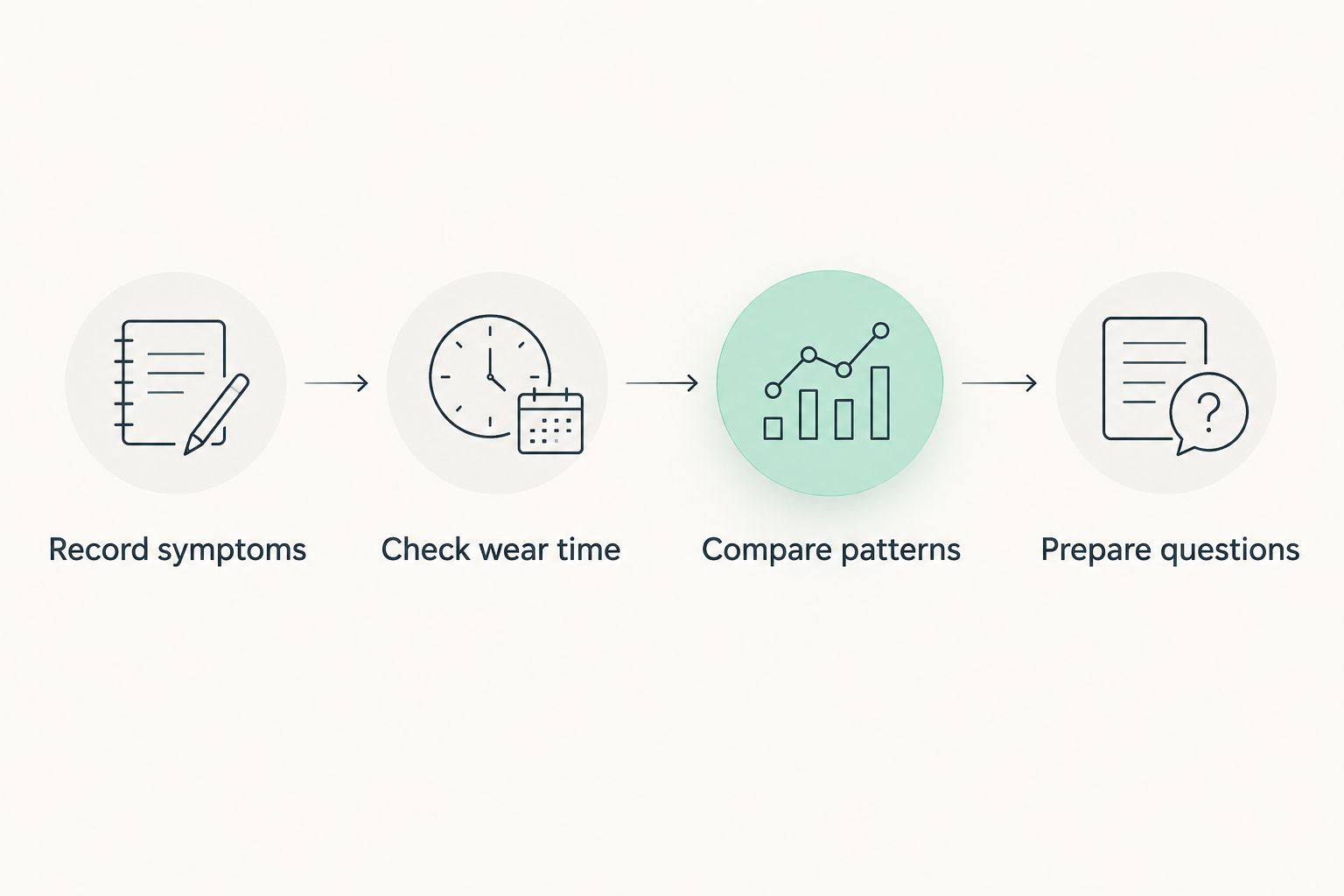
Use a repeatable review sequence: Record symptoms, Check wear time, Compare patterns, Prepare questions. Check whether the ring was worn before interpreting a blank period as uninterrupted sleep or inactivity.
A bad night after a stressful day is a useful observation, not proof that stress caused the disruption. Keep competing explanations visible, including illness, travel, medication changes, and differences in your routine.
- Match diary entries to the same dates in the wearable record.
- Label nights when the device was not worn.
- Note illness, travel, and unusual routines.
- Describe repeated patterns without assigning a medical cause.
6. Review trends without treating scores as diagnoses
Set a review routine rather than checking every fluctuation. A suggested 7-day review keeps the task bounded; it is an organizational choice, not a clinical testing interval.
Compare your symptoms with your own previous records. A score from someone else's app is not a useful target when devices use different methods and people have different health circumstances.
In 2026, distinguish a convenient dashboard from medical evidence. An app's reassuring summary does not cancel symptoms, and an alarming-looking score does not establish a disease.
- Review whether symptoms interfere with sleep, work, or daily life.
- Look for repeated observations rather than isolated scores.
- Keep subjective sleep quality alongside device estimates.
- Avoid changing prescribed treatment in response to a wearable score.
7. Prepare a useful summary for your clinician
Start with your main concern, not a folder of screenshots. Summarize what changed, when it started, and how it affects you; then use wearable records as supporting context.
A clinician can assess symptoms and determine whether further evaluation is appropriate. Do not wait for a tracking experiment to finish if symptoms are concerning. Bleeding after menopause needs medical evaluation, even when your wearable records look unchanged.
If you use hormonal contraception, have had a hysterectomy, or take hormone therapy, ask how that changes the interpretation of your menstrual history. A ring cannot resolve those distinctions from wellness signals alone.
- Bring dated symptom and bleeding notes.
- Identify the device and the measurements it actually provides.
- Include medications, supplements, and recent changes.
- Ask which observations should prompt follow-up.
- Seek urgent care for severe symptoms such as chest pain or fainting.
Compare tracking options for menopause
The best option depends on what you need to record. A symptom diary documents your experience; a wearable adds supported measurements; clinical assessment addresses diagnosis and treatment. These roles complement rather than replace one another.
Use this comparison for your 2026 shortlist. Product descriptions establish broad positioning, not evidence that a device detects menopause or measures hormone levels.
| Option | Best for | Main advantage | Key limitation |
|---|---|---|---|
| Manual symptom diary | Recording hot flashes, bleeding, and daily impact | Captures experiences a sensor cannot describe | Depends on consistent entries; no automatic measurements |
| Core Smart Ring | Health-conscious users seeking discreet wellness tracking | Ring-format health tracking | Supplied details do not establish menopause-specific features or individual measurements |
| Spark Band | Users who prefer a screenless band for sleep, recovery, fitness, and activity tracking | Its description includes those wellness areas | Not a ring; supplied details do not establish menopause detection |
| Clinical assessment | Evaluating symptoms and discussing treatment | Addresses medical questions beyond wellness tracking | Requires an appointment and does not provide continuous everyday tracking |
Spark Band is a format alternative, not evidence that a band is better than a ring for menopause. Choose between form factors by verified features and comfort. Neither format removes the need to record symptoms yourself.
Before sharing sensitive records with any app, check its privacy information. Review what data it collects, how you can delete it, and what sharing controls exist. Do not assume a wellness app handles information in the same way as your clinician's patient portal.
Common mistakes when tracking menopause
Treating temperature as a hormone test
A temperature trend does not measure estrogen or establish menopause. If temperature tracking matters to you, first verify that the chosen device offers it, then ask what the measurement represents.
Letting a score overrule symptoms
A favorable sleep summary does not mean night sweats or exhaustion are unimportant. Record your experience and its daytime impact even when the dashboard looks reassuring.
Relying on cycle predictions during irregular bleeding
Do not use a general wellness ring's cycle estimate as contraception. Menstrual irregularity during the transition requires a different conversation from activity or sleep tracking; discuss contraception needs with your clinician.
Buying before checking data access
A device can collect information without presenting it in the format you need. Confirm how you can review dated records and share a useful summary before choosing a wearable for appointment preparation.
Trying to solve every concern with another sensor
Adding body measurements does not automatically explain hot flashes or disrupted sleep. Keep your original question visible, and stop collecting fields that do not help answer it.
FAQ
What's the best smart ring for menopause tracking?
The best smart ring for menopause tracking is one with verified measurements that match your goal and a fit you can tolerate overnight. No ring should be selected on an unsupported promise to diagnose menopause; pair wellness records with a symptom diary.
Can a smart ring tell me whether I'm in menopause?
A general wellness smart ring cannot establish that you are in menopause. Natural menopause is identified retrospectively after 12 consecutive months without menstruation when other explanations and clinical interventions do not account for it; a clinician can assess your circumstances.
Does Actxa Core Smart Ring measure menopause hormones?
The supplied Actxa Core Smart Ring information does not establish hormone measurement or menopause detection. It describes a discreet health-tracking wearable, so verify any specific measurement you need before choosing it.
Can a smart ring detect every hot flash or night sweat?
Do not assume a smart ring detects hot flashes or night sweats unless that specific capability is documented. Keep a symptom diary to record sensations, remembered awakenings, and their effect on your day.
Is a smart ring better than a symptom diary?
A smart ring is not a replacement for a symptom diary. A wearable records supported measurements, while your diary records bleeding, discomfort, context, and symptoms that sensors do not describe.
Should I change hormone therapy because my ring score changed?
Do not change prescribed hormone therapy based on a wearable score. Discuss symptoms, medication changes, and dated records with the clinician managing your treatment.
What should I do if I have bleeding after menopause?
Arrange medical evaluation for bleeding after menopause. A wearable's sleep, activity, or other wellness records cannot rule out a cause that needs assessment.
One last thing
Track the symptom that matters even when the device cannot measure it. If your main concern in 2026 is waking drenched and feeling exhausted, those dated observations deserve attention regardless of the overnight score. The most useful record connects the measurement to your experience rather than replacing your experience with a number.