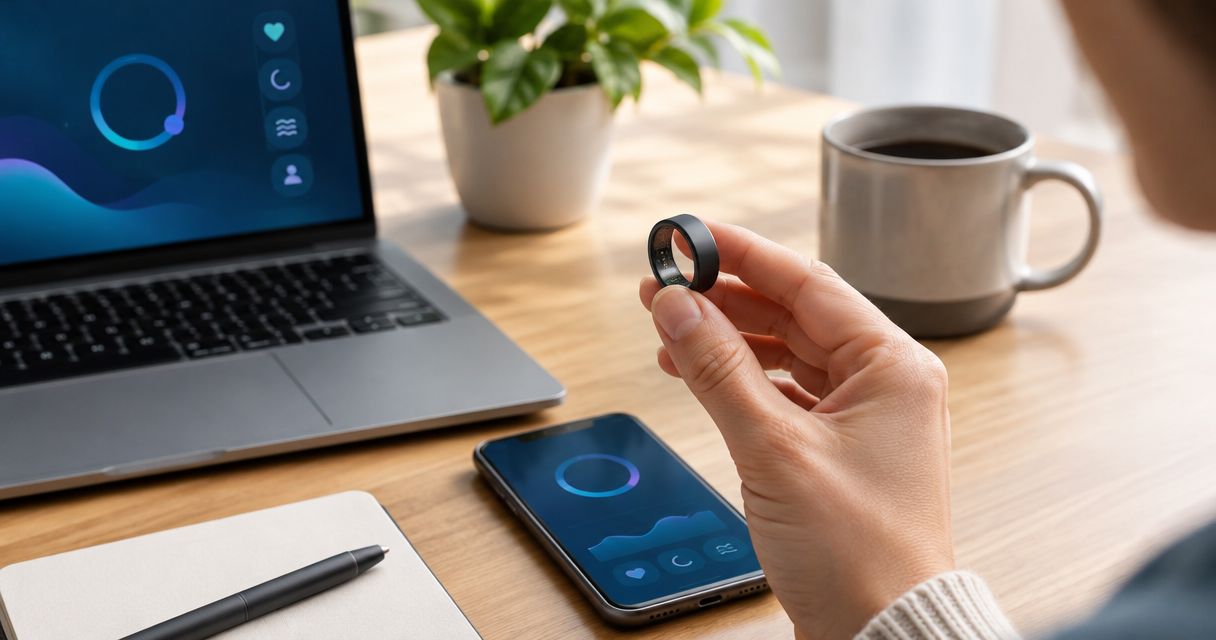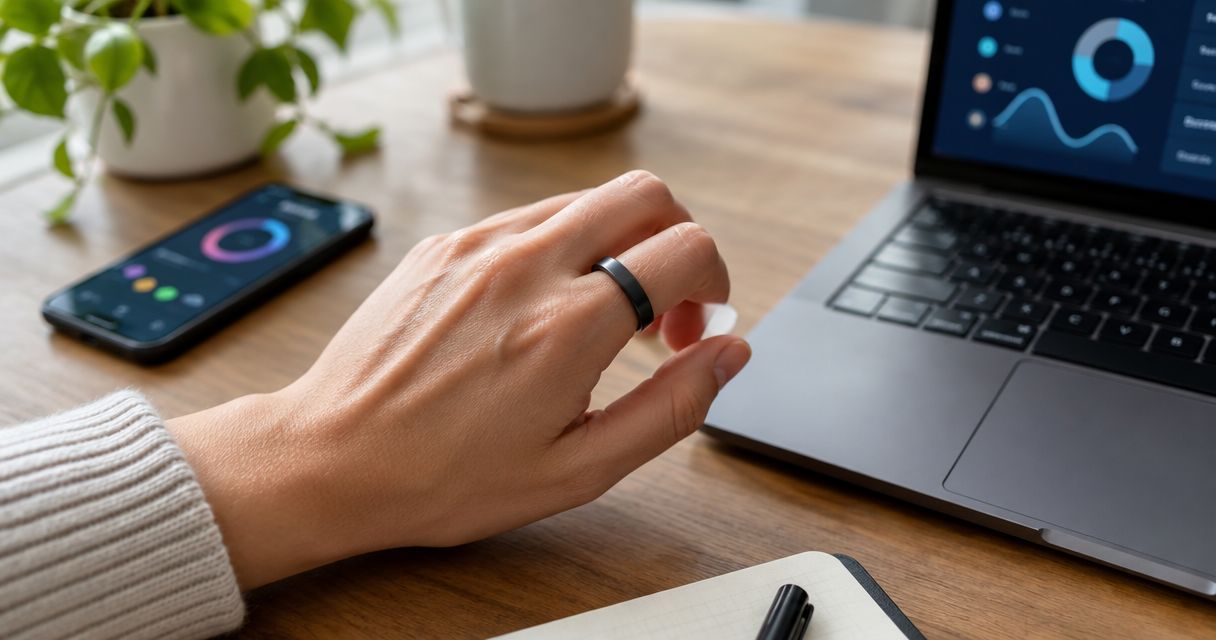
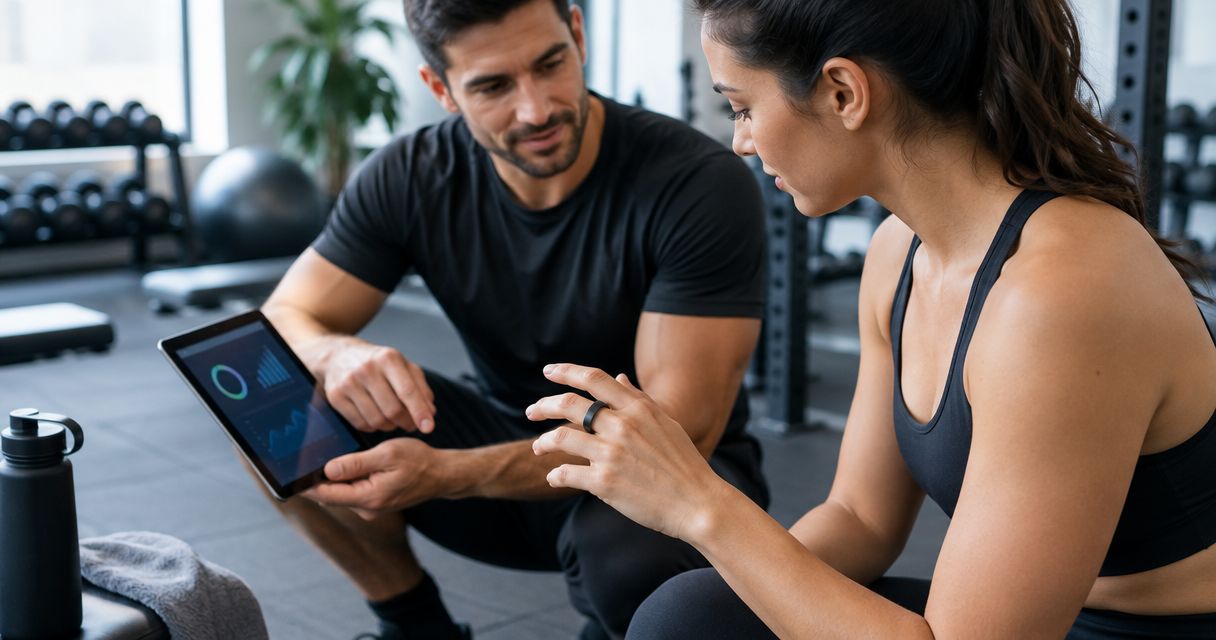
Personal trainers’ smart ring use is wearable-assisted wellness tracking with the aim of making client check-ins and training decisions more informed. This 2026 guide explains how to choose a smart ring for personal trainers, fit it around hands-on coaching, and use its information without treating consumer measurements as medical advice.
- Choose a smart ring for personal trainers around comfort, useful measurements, and a repeatable client check-in process.
- Actxa Core Smart Ring is best for health-conscious buyers seeking a discreet wellness wearable.
- Use sleep tracking and recovery information as discussion prompts, not automatic instructions to change training.
- Keep manual session notes; a wearable does not replace exercise technique assessment or client consent.
Why smart rings matter for personal trainers
Personal trainers need information that helps answer practical questions: Did the client recover between sessions? Is the current routine manageable? Does the client feel ready to train? A wearable adds another source of information, but the coaching conversation still determines what that information means.
Your working conditions also matter. You demonstrate exercises, move equipment, and sometimes assist clients with loaded movements; a device that feels unobtrusive at a desk can interfere with gripping equipment. Overnight comfort and gym-floor suitability are separate buying decisions.
Actxa Core Smart Ring is best for health-conscious buyers seeking a discreet wellness wearable. The Actxa store describes the ring as a health-tracking device; assess its current specifications against your coaching requirements rather than assuming that every smart ring measures the same things.
For your 2026 coaching workflow, start with the decision you want to improve. Buying a device before defining that decision leaves you with more readings, not necessarily better coaching.
How to use a smart ring in personal training
1. Define the coaching question before choosing hardware
Start manually. Ask clients about sleep, soreness, energy, and whether their previous session felt manageable, then record the answers beside their training notes. This establishes what you need to know without requiring a device or an account.
Separate your own tracking from client tracking. A ring you wear during a long coaching day tells you about your experience, not the recovery status of the people you train. Each client needs an individual process and a clear reason to participate.
Write a short decision rule before shopping: what information will you review, what question will it answer, and what action is within your professional scope? If you cannot finish that sentence, delay the purchase.
- Coaching question: Name the decision the information should support.
- Session notes: Record exercises, loads, repetitions, and reported effort.
- Client context: Ask about illness, travel, stress, and schedule changes.
- Action boundary: Separate training adjustments from medical assessment.
2. Establish a repeatable check-in routine
Use a notebook or spreadsheet before adding a wearable. Choose consistent questions and review them at a predictable point in the coaching relationship. Repeating a simple process is more useful than collecting different information at every appointment.
A practical starting protocol is 14 days of observation followed by 1 scheduled review each week. These are suggested coaching intervals, not validated thresholds or a promise that a device establishes a physiological baseline within that period. Extend observation when information is incomplete or the client's routine changes.
For each check-in, ask 3 questions: How did you sleep? How do you feel? How did the last session affect you? Keep the answers separate from device estimates so disagreement remains visible rather than being averaged away.
- Use the same check-in questions each time.
- Record the date and relevant changes in routine.
- Mark missing readings as missing, not as normal.
- Review patterns alongside the training log.
- Ask the client to explain unexpected changes.
3. Match the device to the measurements you need
Your manual notes remain the reference point for what actually happened in training. Add a wearable only when its documented measurements support a question you already ask. A ring's form factor alone does not establish its sensors, integrations, or measurement quality.
The Core Smart Ring is described as a discreet health-tracking wearable. That supports considering it for everyday wellness use, but it does not establish specific sleep metrics, recovery algorithms, live coaching features, or data exports. Check those requirements individually before choosing it for a client workflow.
The Spark Band is a screenless alternative whose description includes recovery, sleep, fitness, and activity. Best for clients who prefer a band: consider that format when finger-worn hardware does not suit the client's routine. Its limitation is the same purchasing discipline: confirm the exact measurements and sharing process you need.
For a 2026 shortlist, write requirements in plain language rather than collecting feature names. “The client can show the relevant reading during a check-in” is a useful requirement; “advanced insights” is not.
- List the measurements your coaching question requires.
- Confirm which measurements the specific device provides.
- Check compatibility with the client's phone.
- Check how the client can view or share information.
- Confirm whether useful functions depend on additional services.
4. Test fit around sleep and equipment handling
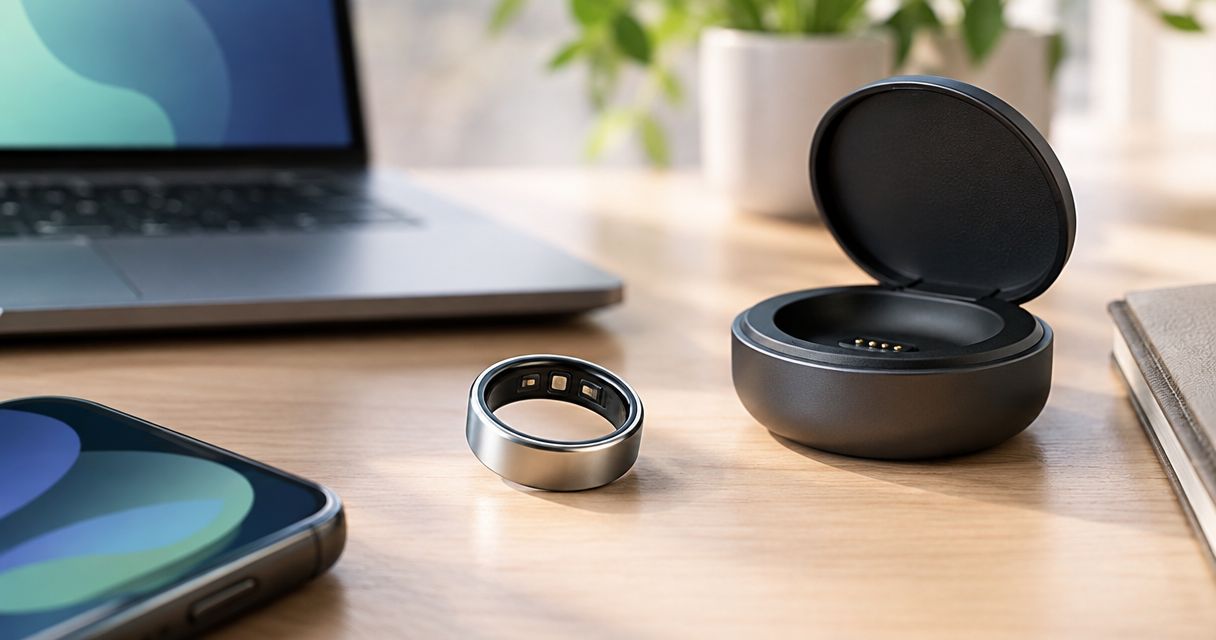
Use a physical sizing process rather than assuming that an existing jewelry size transfers to a wearable. The Ring Sizing Kit lets you try different sizes before confirming a Core Smart Ring order. Best for prospective ring users: use the kit to assess comfort before choosing the final size.
Its limitation is straightforward: a sizing kit helps assess fit, not sensor performance, app usability, or how useful the resulting information will be. Evaluate those separately. Follow the manufacturer's sizing instructions and do not continue wearing a ring that causes pain, numbness, or skin irritation.
Plan when the ring comes off. Remove finger jewelry for tasks where equipment can catch it or where pressure makes gripping uncomfortable; follow facility rules and equipment guidance. Do not assume a ring must stay on during every exercise to be useful outside training.
- Check fit using the manufacturer's sizing process.
- Assess comfort during ordinary hand movements.
- Identify exercises that require ring removal.
- Choose a consistent storage location during sessions.
- Inspect skin and stop wearing the device if irritation develops.
5. Interpret readings with the client, not instead of the client
Begin with the client's account of how they feel. Then compare the training log, recent routine, and available wearable information. A favorable app summary does not cancel pain, illness, or an unusually difficult warm-up.
Consumer wearable measurements are estimates, and different devices do not necessarily calculate similarly named scores the same way. Keep comparisons within the same person's established routine where possible. Avoid ranking clients by a recovery score or using another client's numbers as a target.
Use a simple review sequence: Client report, Training log, Wearable trend, Coaching decision. This keeps the device in a supporting role and makes your reasoning clear when a client asks why you changed the session.
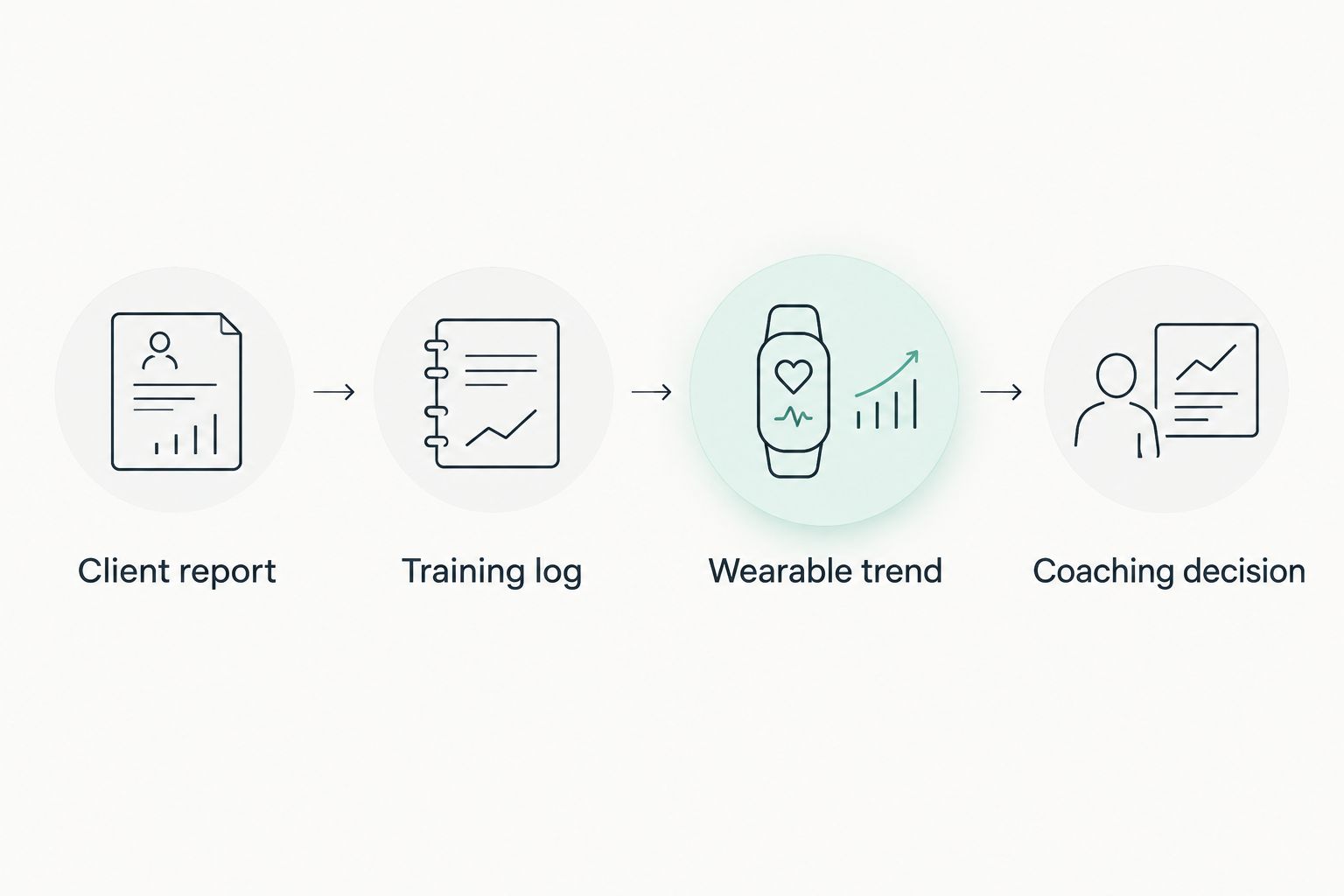
For your 2026 review template, record the reason for a change, not just the changed exercise. This creates a usable coaching history without pretending that the device independently prescribed the session.
- Ask about symptoms and perceived readiness first.
- Compare readings with recent training and routine.
- Investigate an unusual result before acting on it.
- Document why you adjusted the session.
- Refer health concerns to an appropriate healthcare professional.
6. Set consent and data boundaries before sharing
The simplest starting method is client-led sharing: ask the client to describe or show only the information relevant to the check-in. You do not need unrestricted access to someone's wellness account to discuss their training.
Explain what you want to collect, why you need it, where you will store it, and who can see it. Obtain informed permission before retaining screenshots or other identifiable wellness information. Do not request account passwords or assume that a consumer device includes a trainer dashboard.
A 2026 onboarding document should also explain how a client can stop sharing. Keep participation separate from your commitment to provide appropriate coaching; clients who decline wearable tracking still need a workable manual process.
- Collect only information relevant to the coaching purpose.
- Explain access, storage, retention, and deletion practices.
- Obtain permission before retaining identifiable readings.
- Keep wellness information out of public leaderboards.
- Provide a manual check-in alternative.
Compare the options for your coaching workflow
Choose the least complicated option that answers your coaching question. A manual log, smart ring, and band serve different purposes; a sizing kit supports a ring purchase rather than replacing a tracking device.
| Option | Best for | Main advantage | Key limitation |
|---|---|---|---|
| Manual check-in and training log | Trainers establishing a repeatable review process | Captures client context and actual session details | Depends on consistent reporting and note-taking |
| Actxa Core Smart Ring | Health-conscious buyers seeking discreet wellness tracking | Provides health tracking in a finger-worn format | Verify specific metrics and sharing functions before using it in coaching |
| Spark Band | Clients who prefer a screenless band | Its description includes recovery, sleep, fitness, and activity | Confirm the exact readings and access method required |
| Ring Sizing Kit | Buyers choosing their Core Smart Ring fit | Lets you try different ring sizes before ordering | Does not test tracking performance or app usability |
The ring and sizing kit belong together at the fit-checking stage. Review the current product details before committing; neither a product name nor a comfortable fit establishes whether the measurements meet your coaching needs.


Common mistakes personal trainers make with smart rings
Treating a wellness score as permission to train hard
A client can report pain or feel unwell despite a favorable device summary. Do not let a score overrule symptoms or your exercise assessment. Ask questions, adjust within your scope, and refer concerns when appropriate.
Requiring the ring during every loaded movement
Continuous wear is not a reason to ignore hand comfort or equipment hazards. Establish a removal routine before training starts and accept that some sessions will have gaps in wearable data.
Assuming personal tracking includes client management
A consumer wearable is not automatically a coaching platform. Confirm sharing, access, and record-handling requirements before building your service around them; otherwise, use client-led check-ins.
Adding devices before fixing inconsistent notes
A smart ring cannot reconstruct an undocumented session or explain a missing client response. Standardize the training log first, then decide whether additional wellness information changes anything you do.
FAQ
What's the best smart ring for personal trainers?
The best smart ring for personal trainers fits the wearer's routine and supplies the specific information their coaching process needs. Actxa Core Smart Ring is an option for discreet wellness tracking; verify its current measurements and sharing functions before selecting it for client work.
Can I coach clients without asking them to buy a wearable?
Yes, you can use a training log and repeatable questions about sleep, soreness, energy, and session difficulty. Wearable information is optional supporting context, not a prerequisite for personal training.
Should I wear a smart ring while lifting weights?
Remove a smart ring when gripping equipment creates pressure or a catching hazard, and follow facility and manufacturer guidance. You can assess its usefulness for everyday wellness without requiring it during every lift.
Can a smart ring tell me whether a client should skip a workout?
A smart ring should not make that decision alone. Review the client's symptoms, reported readiness, training history, and available wearable trends before making an appropriate coaching decision.
Is a smart ring better than a fitness band for trainers?
Neither format is automatically better for trainers. Choose between a ring and a band based on comfort, documented measurements, and the practical process for reviewing information with the client.
How do I choose a comfortable smart ring size?
Use the manufacturer's sizing process and assess comfort before confirming the final size. The Ring Sizing Kit lets prospective Core Smart Ring buyers try different sizes, but it does not evaluate tracking performance.
Do I need access to my client's wearable account?
No, client-led sharing can support a coaching conversation without account access. Ask permission before recording identifiable wellness information and explain how you will store and delete it.
One last thing
Write down what would change your coaching before looking at the wearable reading. If the answer is nothing, you do not need to collect that reading for the session. This keeps your 2026 workflow focused on useful decisions instead of accumulating information you never act on.