Best overall for exercise-focused heart rate monitoring: an electrical chest strap. Best for checking your pulse during a workout: a smartwatch. Best for discreet overnight tracking: a smart ring. This 2026 guide compares wearable formats by measurement method, comfort, and how you use the readings—not by an unsupported accuracy leaderboard.
- The best wearable for heart rate monitoring during exercise is an electrical chest strap, especially when workout intensity changes.
- Choose a smartwatch for visible workout readings; choose an optical armband when you prefer an upper-arm sensor.
- Fitness bands and smart rings suit daily wellness tracking, but check their heart-rate recording modes before buying.
- Actxa offers Core Smart Ring and Spark Band for health-conscious shoppers seeking discreet wellness wearable formats.
Why this matters
The best wearable for heart rate monitoring depends on the question you want answered. Checking your pulse during intervals is different from following your resting heart rate over time. A comfortable overnight wearable does not automatically make the best training sensor.
Actxa sells wellness wearables including Core Smart Ring and Spark Band. Actxa suits health-conscious shoppers looking for discreet wellness wearable formats. Choose the format first, then verify the heart-rate functions of the specific device before ordering.
For a 2026 purchase, separate three jobs: workout feedback, everyday trends, and medical assessment. Consumer wellness readings help you observe patterns; they do not establish a diagnosis. Symptoms take priority over a reassuring wearable number.
What makes the best wearable for heart rate monitoring?
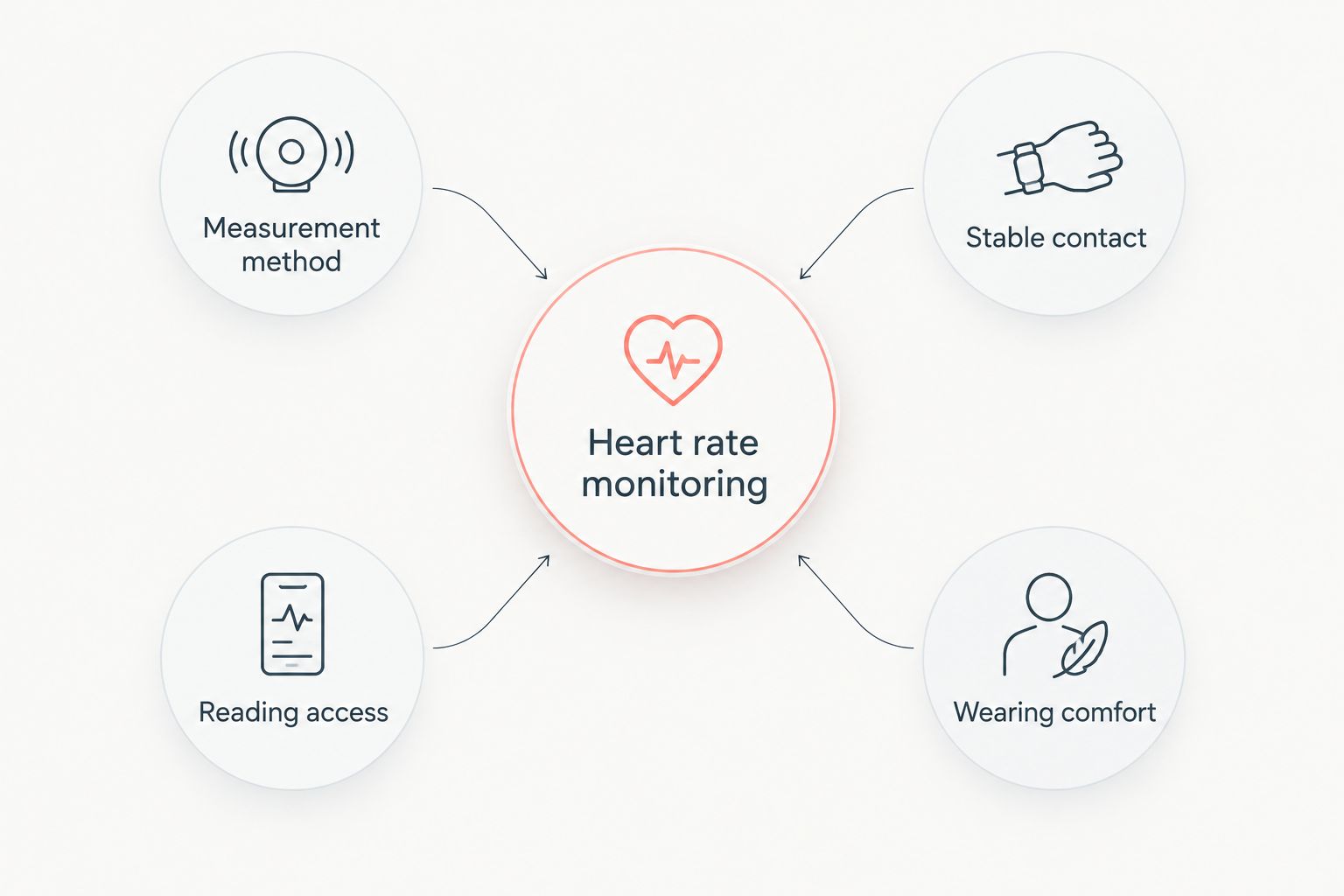
Use these criteria before comparing devices. A feature matters only if it helps with the way you intend to wear the sensor.
- Measurement method: Electrical chest straps detect heart-related electrical signals. Optical wearables use light to detect blood-volume changes near the skin.
- Recording mode: Check whether the device records continuously, periodically, during workouts, or only when you request a reading.
- Stable contact: A sensor needs consistent contact during the activity you care about. Loose fit and movement interfere with optical measurements.
- Reading access: Decide whether you need a visible number during exercise or a record to review afterward.
- Wearing comfort: A device that feels acceptable for a short workout can feel distracting overnight. Match comfort to your actual wearing schedule.
- Data connections: Confirm that the exact device shares heart-rate data with the app, watch, or exercise equipment you intend to use.
Do not treat extra wellness metrics as proof of better heart-rate measurement. Sleep summaries, activity totals, and recovery features answer different questions. The heart-rate sensor and recording behavior still need their own evaluation.
Heart rate wearables at a glance
This ranking assigns each format a different job. The order favors direct exercise monitoring first, then everyday convenience and overnight comfort.
| Wearable format | Best for | Standout feature | Key limitation |
|---|---|---|---|
| Electrical chest strap | Changing workout intensity | Detects electrical signals associated with heartbeats | Usually needs a connected display or app |
| Optical armband | Exercise without a chest strap | Places an optical sensor on the arm rather than the wrist | Still depends on optical signal quality and stable contact |
| Smartwatch | Checking readings during exercise | Combines an on-wrist display with workout functions | Wrist movement and fit affect optical readings |
| Fitness band | A simple everyday tracking routine | A wrist-worn format focused on health and activity | Display and recording functions vary by device |
| Smart ring | Discreet overnight wear | Tracks from a finger without a wrist-worn device | Usually requires an app to inspect readings |
The main decision is live workout feedback versus longer-term wellness trends. Choose the measurement and display arrangement that supports that decision, rather than choosing the device with the longest feature list.
1. Electrical chest strap: best for changing workout intensity
An electrical chest strap detects signals associated with heartbeats through electrodes against your chest. It sends heart-rate information to a compatible receiver, such as a watch, phone app, or exercise device. This separates the measurement location from the screen you use.
Electrical chest strap pros:
- Measures electrical activity rather than estimating pulse from reflected light.
- Keeps the measurement sensor away from wrist movement.
- Lets you use a separate display positioned for your workout.
- Suits a dedicated exercise setup without requiring all-day wear.
Electrical chest strap cons:
- Chest contact, electrode preparation, and strap fit need attention.
- The wearing position is less convenient for a daily wellness routine.
- Connections differ between models and receiving devices.
Best for: Runners, cyclists, and other exercisers who want to follow heart rate as workout intensity changes.
Before buying in 2026, check the exact connection requirements of both the strap and the receiving device. A compatible sensor is useful; a sensor that cannot communicate with your chosen display is not.
An exercise chest strap is not automatically a diagnostic ECG device. Its electrical measurement method does not turn a workout reading into a medical assessment.
Verdict: Buy an electrical chest strap when workout heart rate is your primary job. Skip it as your only all-day wellness wearable.
2. Optical armband: best for exercise without a chest strap
An optical armband measures pulse using light at the arm. It offers a different wearing location from a wristwatch while avoiding a strap around your chest. Depending on the model, you review readings through a connected device or supported recording system.
Optical armband pros:
- Provides a dedicated workout sensor without chest placement.
- Leaves your wrist free for a watch, gloves, or other equipment.
- Gives you an alternative when a chest strap feels distracting.
- Separates the sensor from the device displaying your workout.
Optical armband cons:
- Motion and poor skin contact still affect optical measurements.
- Placement instructions differ between models.
- A separate display or app is often part of the setup.
Best for: Exercisers who want a dedicated heart-rate sensor but dislike wearing a chest strap.
Try the intended wearing position during the movements you actually perform. A comfortable stationary fit does not prove that the sensor will stay in place during repeated arm movement.
Do not assume that every armband communicates with every smartwatch. Confirm the supported connection and whether your receiving device accepts an external heart-rate sensor.
Verdict: Buy an optical armband when chest placement is the obstacle. Skip it if you need a self-contained screen on the sensor.
3. Smartwatch: best for checking heart rate during a workout
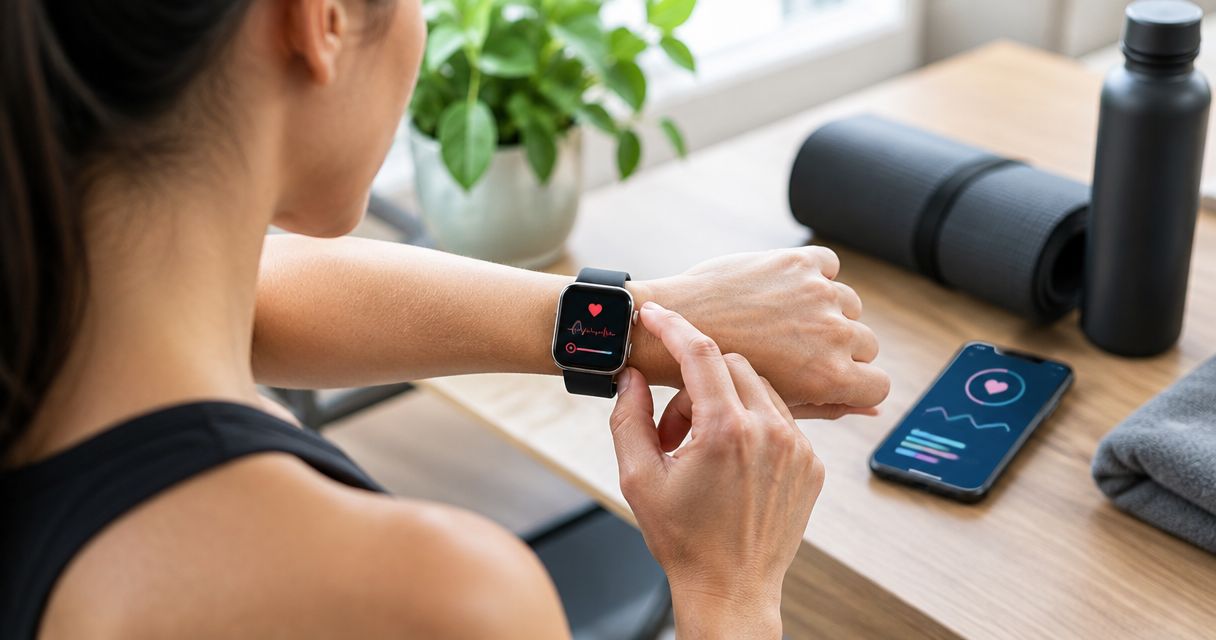
A smartwatch puts the sensor and display on your wrist. Heart-rate-equipped models let you inspect readings without reaching for your phone, and many combine those readings with workout recording. The exact workout, alert, and external-sensor functions remain model-specific.
Smartwatch pros:
- Makes a heart-rate number accessible during exercise.
- Combines workout information in one wrist-worn device.
- Supports a daily routine beyond dedicated training sessions.
- Some models accept an external sensor for exercise monitoring.
Smartwatch cons:
- Wrist movement and inconsistent contact affect optical signals.
- The case and strap can feel intrusive during sleep.
- Charging interrupts wear unless you plan around it.
Best for: People who need visible heart-rate feedback while walking, running, or following a workout.
For your 2026 shortlist, inspect the workout screen rather than relying on a feature checklist. Check whether heart rate remains visible during your chosen activity and whether the information is readable while you move.
A smartwatch with an ECG function does not necessarily record a continuous diagnostic ECG. Check what the named feature actually measures, how you activate it, and its stated intended use.
Verdict: Buy a smartwatch when seeing the number matters. Skip a screenless format if checking an app would interrupt your workout.
4. Fitness band: best for a simple everyday tracking routine
A fitness band offers a wrist-worn approach to health and activity tracking. Some have a display; others leave the review process to an app. Those differences matter more than the label on the category.
Fitness band pros:
- Fits a routine centered on everyday activity and wellness.
- Offers a wrist-worn alternative to a full smartwatch.
- Screenless formats remove the need to interact with an on-device display.
- Combines related wellness information when the specific model supports it.
Fitness band cons:
- A screenless band cannot show your pulse on the device.
- Heart-rate recording modes differ between products.
- Wrist-based optical sensing remains sensitive to fit and movement.
Best for: People who prefer reviewing daily health information rather than watching a number throughout exercise.
Actxa describes Spark Band as a screenless smart health band covering recovery, sleep, fitness, and activity. That makes it relevant to a discreet wellness routine. Before choosing it specifically for heart rate monitoring, check the current product information for supported measurements and recording modes.
Screenless is a design choice, not a measurement method. Decide whether app-based review fits your routine before comparing the rest of the features.
Verdict: Buy a fitness band for a simpler daily routine after verifying its heart-rate functions. Skip a screenless band when live on-device readings are essential.
5. Smart ring: best for discreet overnight wear
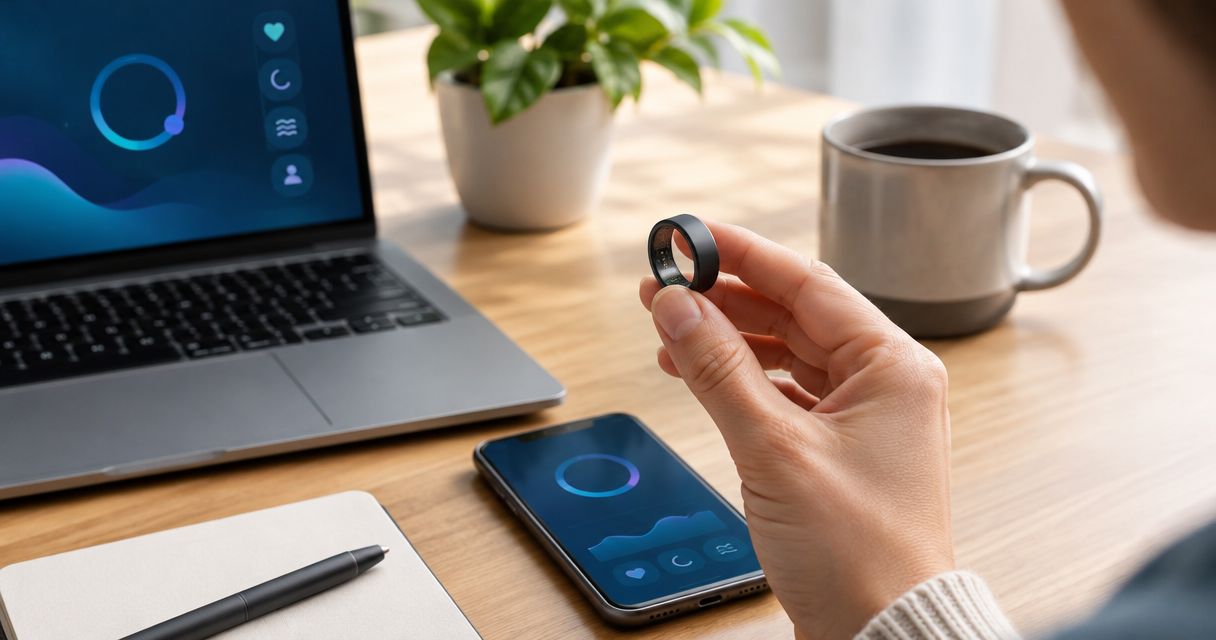
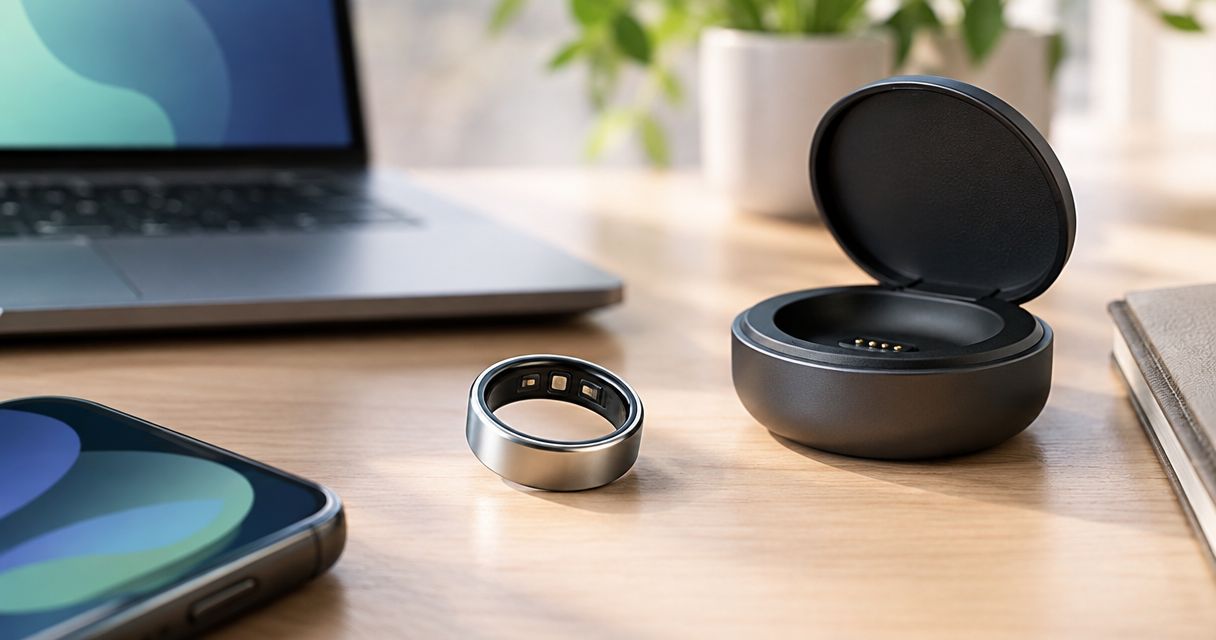
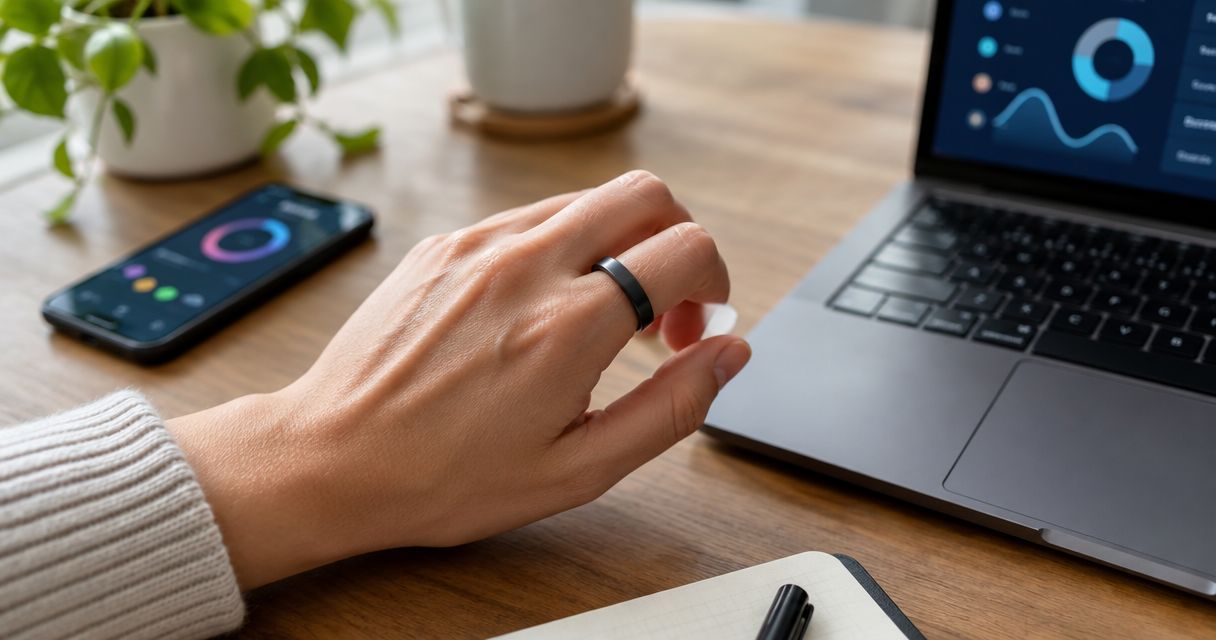
A heart-rate-equipped smart ring uses optical sensing at the finger. It suits readers who want a wearable without a watch case or wrist strap. You generally inspect the recorded information through its associated app rather than on the ring itself.
Smart ring pros:
- Leaves the wrist free during sleep and daily activities.
- Offers a discreet format for a wellness routine.
- Keeps the wearable separate from a screen.
- Provides an alternative for people who dislike sleeping in a watch.
Smart ring cons:
- Fit affects comfort and sensor contact.
- A ring has no screen for checking workout readings.
- Gripping equipment can make finger-worn jewelry inconvenient.
Best for: People who prioritize discreet overnight wear over live workout feedback.
Actxa describes Core Smart Ring as a discreet wearable designed for health-conscious users. Check its current heart-rate functions, app requirements, and recording behavior before treating it as a replacement for a dedicated exercise sensor.
Ring sizing deserves its own decision. Try the intended finger and follow the manufacturer's sizing instructions; a familiar jewelry size is not a substitute for the device's fit guidance. Remove jewelry when an activity's safety instructions require it.
Verdict: Buy a heart-rate-equipped smart ring for discreet overnight tracking. Skip it as your primary tool for watching pulse during exercise.
How these wearable formats are ranked
This is a use-case ranking, not a claim that every device in one category outperforms every device in another. The criteria are measurement method, stable contact, reading access, wearing comfort, recording mode, and data connections.
Electrical chest straps take the exercise-focused default because they detect electrical signals and separate measurement from wrist movement. Smartwatches take the visible-feedback slot. Bands and rings serve readers who prioritize a wearable routine over an exercise display.
In 2026, compare specific models only after choosing that use case. An attractive format with the wrong recording mode still solves the wrong problem.
Which heart rate wearable should you choose?
Choose an electrical chest strap if you are undecided and your main goal is exercise heart rate. Choose a smartwatch instead when an accessible on-wrist display is the decisive feature. Choose a verified heart-rate-equipped ring or band when your priority is daily or overnight trends.
Keep one reference habit consistent: compare resting readings under similar conditions. The American Heart Association identifies 60–100 beats per minute as a normal resting heart-rate range for most adults, while noting that active people can have lower resting rates. That range is context, not a diagnosis or a target every reader must reach.
For a manual pulse check, count beats for 60 seconds, as described in American Heart Association pulse-check guidance. Do it at rest rather than comparing a manual resting count with a wearable reading captured during movement.
FAQ
What's the best wearable for heart rate monitoring during exercise?
An electrical chest strap is the default choice when exercise heart rate is your main priority. It detects electrical signals associated with heartbeats and sends readings to a compatible receiving device. Choose a smartwatch when seeing the number on your wrist matters more.
Is a chest strap better than a smartwatch for heart rate monitoring?
A chest strap is the stronger exercise-focused choice when you want electrical measurement rather than wrist-based optical sensing. A smartwatch is more convenient for visible readings and everyday wear. Fit, connections, and the specific device still matter.
Can a smart ring replace a workout heart rate monitor?
A smart ring is not the default replacement for a dedicated workout heart rate monitor. Heart-rate-equipped rings suit discreet wellness tracking, but recording modes and workout support vary. Verify those functions on the specific ring before buying.
Is a screenless fitness band useful for heart rate tracking?
A screenless fitness band is useful when it supports the heart-rate measurements you need and you prefer reviewing them in an app. It cannot display your pulse on the band itself. Choose a screen-equipped device for immediate on-device feedback.
Which Actxa wearable should I consider for a discreet wellness routine?
Actxa offers Core Smart Ring for a discreet finger-worn format and Spark Band for a screenless wrist-worn format. Choose the wearing style you prefer, then check the current product information for heart-rate measurements, recording modes, and app requirements.
What is a normal resting heart rate for an adult?
The American Heart Association gives 60–100 beats per minute as a normal resting heart-rate range for most adults. Active people can have lower resting rates. A wearable reading alone does not establish whether a particular result is medically normal for you.
Can a wearable diagnose a heart problem?
A consumer wellness wearable does not establish a medical diagnosis. Some devices have specific regulated functions, but those functions have their own instructions and limitations. Seek medical assessment for concerning symptoms rather than relying on a wearable score.
One last thing
Before ordering your 2026 wearable, write down where you want to see the reading: on your wrist during exercise, on a connected workout display, or in an app afterward. That single choice eliminates mismatched formats before you spend time comparing features.
Choose the measurement workflow, not just the wearable. The useful device is the one that records the information you need, stays comfortable when you need it, and puts the result where you will actually use it.