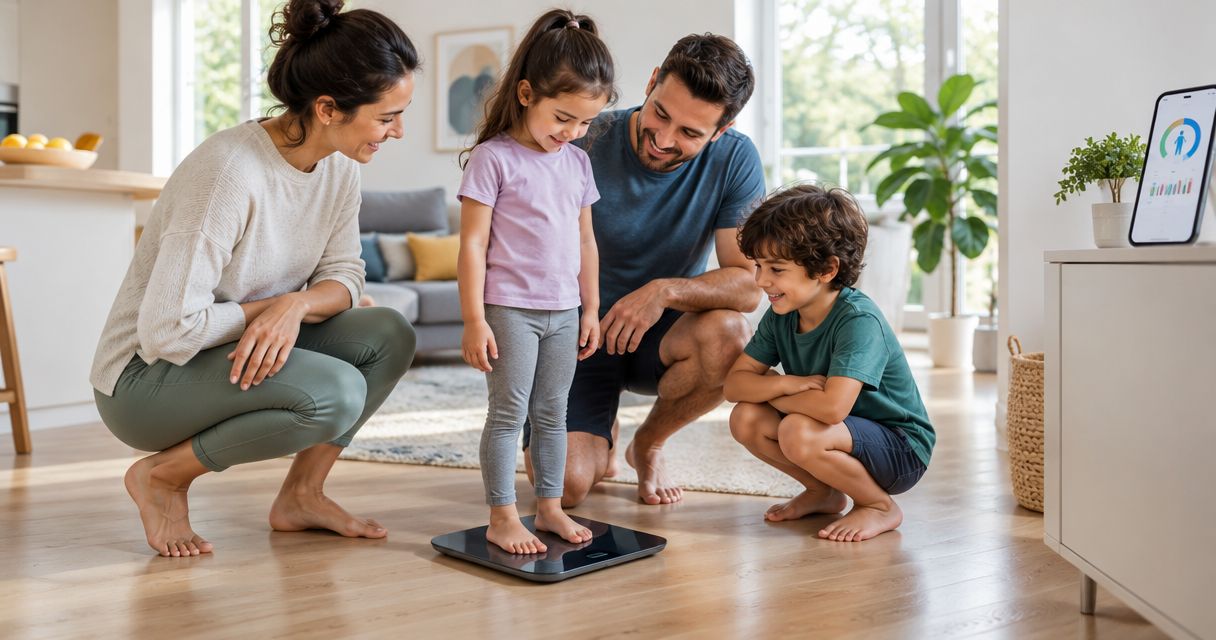
Best for adult body-composition tracking: Actxa Sense 2 Smart Scale. Best for family privacy: a smart scale with separate, private accounts. Best for simple shared tracking: a weight-focused connected scale. The best smart scale for families in 2026 is the one that keeps each person's readings separate and suits the people using it—not the one with the longest metric list.
- Choose the best smart scale for families by account privacy, profile separation, and everyday usability.
- Actxa Sense 2 Smart Scale suits adults seeking body-composition information beyond weight.
- Choose private-account smart scales when household members want separate weight histories.
- For children, prioritize appropriate guidance over adult body-fat targets.
Why this matters
A shared scale measures individuals, not a household. If readings land in the wrong profile or everyone can see another person's history, extra measurements do not fix the problem. Your first purchase decision is about data ownership; body-composition features come next.
Actxa sells the Sense 2 Smart Scale as a body scale that provides information beyond weight. That makes it relevant to adults who want body-composition tracking, but you should check account handling, supported users, and measurement guidance before choosing it for a shared bathroom.
This 2026 guide ranks buying options by their purpose. The first option is a named product; the others are feature-defined categories to look for when comparing models. They are not claims that every connected scale supports private accounts, weight-only use, or suitable tracking for children.
What makes the best smart scale for families?
Start with these criteria before comparing designs or dashboards:
- Profile separation: Each person's measurements should reach the correct history. Check how you select users and correct a wrongly assigned reading.
- Account privacy: Separate profiles and private accounts are different features. Confirm who can see, export, or delete each person's information.
- Age suitability: Check the manufacturer's guidance for children and teenagers. Adult body-composition interpretations are not a substitute for pediatric assessment.
- Useful measurements: Choose weight tracking, body-composition estimates, or both according to your goal. More outputs do not automatically create a better decision.
- Everyday operation: Confirm whether recording requires a phone nearby, an open app, or an internet connection. Match that process to your household's routine.
- Measurement guidance: Read instructions covering placement, weighing conditions, and any restrictions on body-composition measurement.
Treat these as purchase gates. A scale that fails your privacy requirement should leave the shortlist even if its other features look attractive. Likewise, do not buy a complicated setup for someone who only wants a readable weight measurement.
Family smart scales at a glance
| Ranked option | Best for | Standout feature to seek | Key limitation |
|---|---|---|---|
| Sense 2 Smart Scale | Adults interested in body composition | Information beyond weight | Verify shared-user operation and privacy before buying |
| Separate-account smart scale | Adults sharing hardware but not health histories | Independent account access | Private accounts do not guarantee correct user recognition |
| Weight-focused connected scale | Households wanting simple weight records | Straightforward recording and history | Less body-composition detail by design |
| Standalone digital scale | Households that do not want app-based records | Direct, unconnected weighing | Not a smart scale; tracking requires a separate method |
The table is a decision tree, not a laboratory performance ranking. Start with the row matching your household's main need, then inspect the specific model's documentation. In 2026, a family-friendly feature needs a clear explanation of how it works—not just a mention of multiple users.
1. Sense 2 Smart Scale: best for adult body composition
The Sense 2 Smart Scale provides body-composition information beyond weight. It belongs on your shortlist when adults in your household want more context than a weight reading alone. Actxa Sense 2 Smart Scale is best for adults seeking body-composition information beyond weight.
That recommendation concerns its stated purpose, not a guarantee about family account features. Before buying, establish how each adult accesses their own history and how the scale handles consecutive readings from different people. Also check which measurements it reports and how the manufacturer explains them.
Sense 2 Smart Scale pros
- Its stated purpose includes body composition, rather than weight alone.
- It gives adults interested in body metrics a relevant product to assess.
- It fits a buying decision centered on tracking personal measurements over time.
Sense 2 Smart Scale cons
- Body-composition estimates require more interpretation than a weight reading.
- Body-composition functionality alone does not establish suitability for children.
- Shared-user recognition and account privacy remain essential purchase checks.
A scale is a measurement tool, not a diagnosis. If a body-composition result concerns you, discuss the concern with a qualified clinician rather than treating an app label as a medical conclusion.
For your 2026 shortlist, ask a practical question: can every intended user complete a weighing session without seeing or changing another person's history? Get that answer before deciding that a body-composition scale is also a family scale.
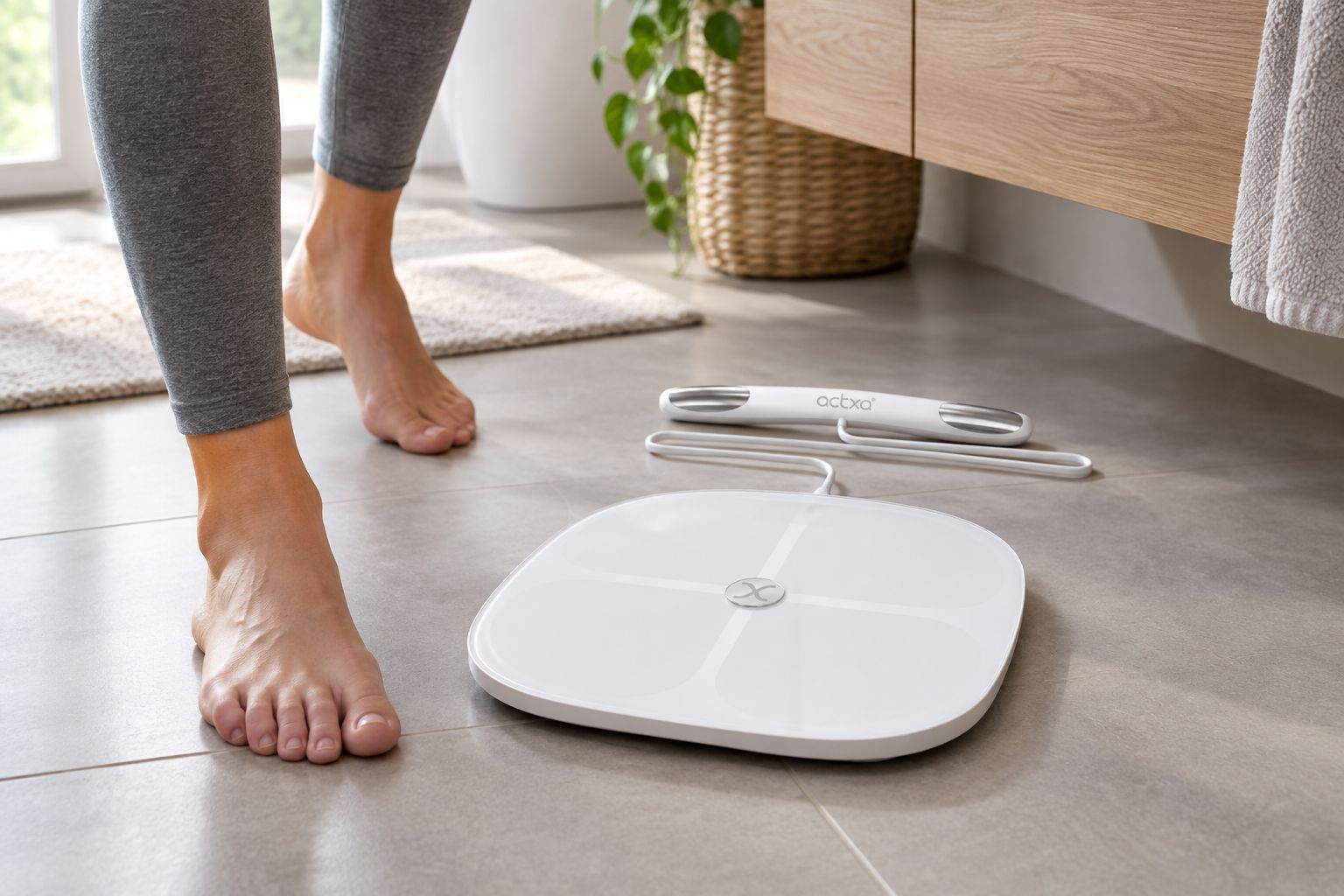
Best for: Adults who specifically want body-composition information and will check the shared-use requirements.
Verdict: Hold until the account, user, and measurement guidance meets your household's needs; then buy for adult body-composition tracking.
2. Separate-account smart scales: best for household privacy
A separate-account smart scale lets household members use shared hardware while maintaining independent account access. Look for documented privacy controls, not merely a profile selector inside one shared login. The distinction matters when partners, relatives, or roommates want different levels of disclosure.
Privacy also includes notifications and account recovery. Consider whether someone else's phone receives a weighing alert and whether a shared email address exposes records. The scale's bathroom location does not determine who can access its data.
Separate-account smart scale pros
- Independent access can keep personal histories separate when implemented correctly.
- Each adult can manage their own tracking preferences.
- Shared hardware does not have to mean a shared health dashboard.
Separate-account smart scale cons
- Account setup adds work for every participating adult.
- Separate accounts do not prove that automatic user recognition is reliable.
- Export, deletion, and notification controls differ between models.
Ask how the scale handles people with similar weights. If a model recognizes users automatically, check whether you can confirm or correct its assignment. A private account containing someone else's readings is still a poor record.
Best for: Adult households where health-history privacy matters more than having everyone on one dashboard.
Verdict: Buy a separate-account model only after confirming access controls and the correction process.
3. Weight-focused connected scales: best for simple shared tracking
A weight-focused connected scale suits people who want a weight history without making body-composition estimates central to the experience. Look for a clear display, straightforward profile selection, and an understandable recording process. Check the actual model: a simpler dashboard does not guarantee simpler setup.
This option puts usability ahead of metric breadth. If your household's question is whether a weight trend is changing, start by assessing whether readings are recorded consistently and assigned correctly. Extra outputs are optional, not a requirement for family use.
Weight-focused connected scale pros
- Keeps the tracking goal clear and narrow.
- Reduces the number of measurements users need to interpret.
- Can suit adults who want a recorded history rather than a detailed dashboard.
Weight-focused connected scale cons
- Does not serve users whose main goal is body-composition information.
- Still requires checks for profile handling and privacy.
- App or connection requirements can complicate an otherwise simple measurement.
Before choosing, walk through the whole process: step on, identify the user, record the reading, and find it afterward. Check what happens when a phone is unavailable. Do not assume a connected scale stores or synchronizes readings without explicit documentation.
Best for: Adults who want straightforward weight records and do not need body-composition outputs.
Verdict: Buy when the recording process is simpler than the alternatives and meets your privacy requirements.
4. Standalone digital scales: best for avoiding app-based records
A standalone digital scale is the alternative when your household does not want connected accounts. It displays weight without making app-based tracking the purpose of the purchase. Choose a genuinely unconnected model if avoiding synchronization is your requirement.
This is not a smart-scale recommendation disguised as one. It is the fallback for readers whose needs do not justify connectivity. You can keep a personal record separately if you want a history without a connected scale.
Standalone digital scale pros
- Avoids connected-account setup.
- Keeps weighing separate from app notifications and shared dashboards.
- Suits a household that wants a direct reading rather than automated tracking.
Standalone digital scale cons
- Does not provide automatic app-based history.
- Requires a separate recording method for trends.
- Does not offer connected body-composition reporting.
Privacy still depends on behavior. A notebook left in a shared bathroom is not private simply because the scale has no connection. Store personal records where only the intended reader can access them.
Best for: Households that prefer weighing without connected health records.
Verdict: Buy a standalone scale if connectivity is unwanted; skip it if automatic tracking is essential.
Set up shared weighing before the first reading
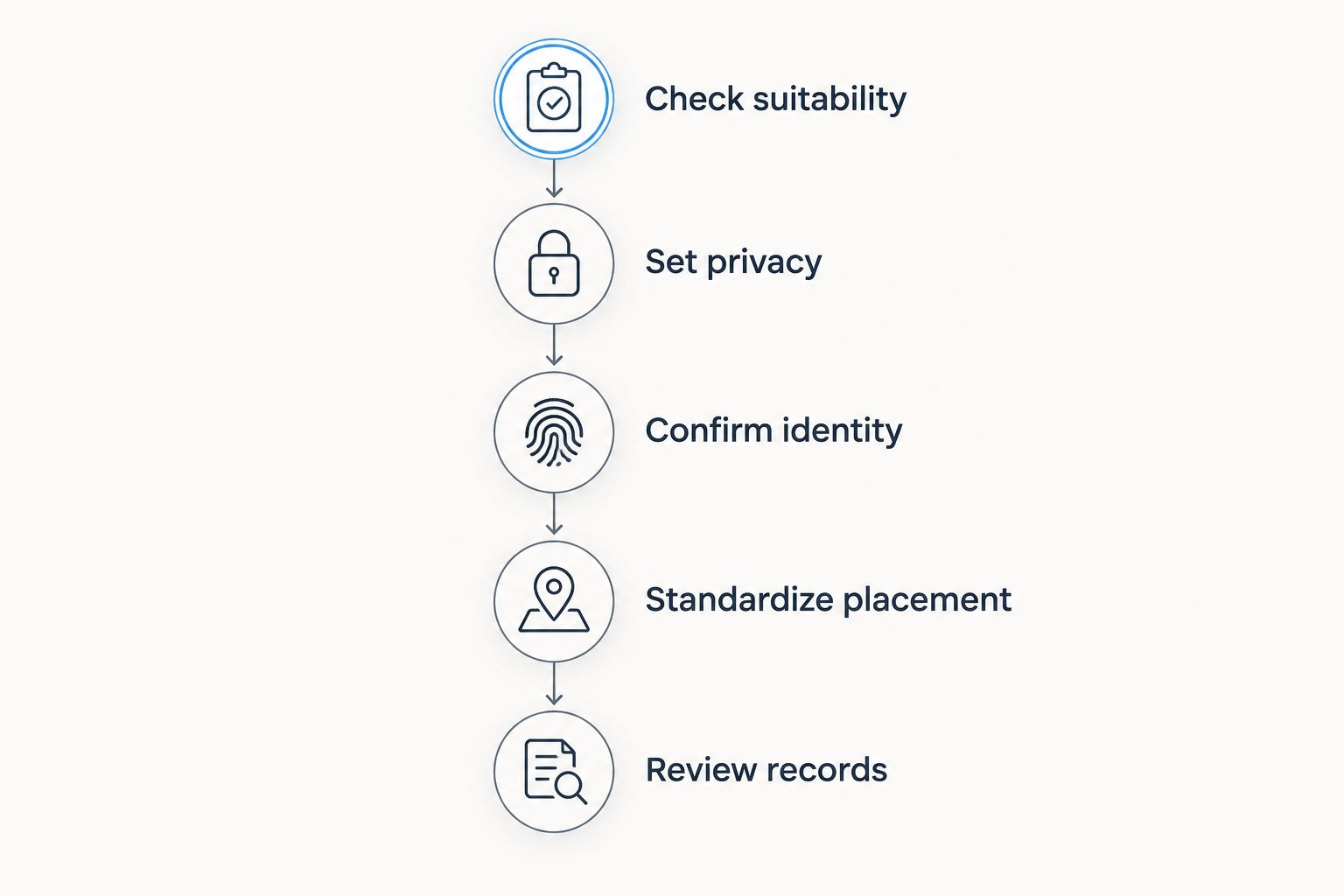
A good purchase still needs a clear household process. Use this sequence when setting up a family scale in 2026:
- Check suitability: Read the model's age guidance and measurement restrictions for every intended user. Follow any instructions concerning pregnancy or implanted medical devices.
- Set privacy: Create the appropriate accounts and review who can access histories, notifications, exports, and deletion controls.
- Confirm identity: Establish how the scale identifies users and how you correct a measurement assigned to the wrong person.
- Standardize placement: Follow the manufacturer's surface instructions and keep the scale in a consistent location.
- Review records: Confirm that each person's first readings reached the right history before relying on trends.
For adults who choose regular tracking, start with 1 recorded reading per planned session. Follow a consistent routine for 7 days, then review the process after 2 weeks: are readings correctly assigned, and is the routine useful? These are setup suggestions, not medical targets or a required weighing frequency.
Children need a different decision process. Ask a pediatric clinician whether home weight tracking is appropriate and how to interpret it. Do not apply adult body-fat targets to children or make household comparisons the purpose of weighing.
How these options are ranked
The ranking prioritizes the reason for buying: adult body-composition information, private shared use, simple weight tracking, or no connectivity. Account separation, age suitability, and everyday operation take precedence over a longer list of measurements.
Actxa Sense 2 Smart Scale leads the named-product recommendation because its stated body-composition purpose matches the first use case. That does not establish it as the default for every family. A household that needs private accounts should choose on verified account behavior first.
No performance score or accuracy league table is implied here. Compare model documentation against the same criteria, and remove any option that fails a requirement you cannot compromise on.
Which family scale should you choose?
For an undecided adult household, start with private account access and correct profile assignment. Add body-composition tracking only when the intended users want it and understand its limits. For 2026, that is a more useful default than buying by metric count.
Choose the Sense 2 Smart Scale for its stated adult body-composition purpose once its shared-use setup meets your requirements. Choose a weight-focused connected model for simpler records. Choose a standalone digital scale when you do not want connected accounts at all.
If children will use the scale, suitability comes before any ranking. Confirm the manufacturer's guidance and get clinical advice about tracking rather than treating a family purchase as permission to monitor everyone identically.
FAQ
What's the best smart scale for families in 2026?
The best smart scale for families is one that separates readings correctly, provides the privacy your household needs, and suits every intended user. Choose body-composition features only after those requirements are satisfied.
Is Actxa Sense 2 Smart Scale a good choice for families?
Actxa Sense 2 Smart Scale is a relevant choice for adults seeking body-composition information beyond weight. Before choosing it for shared use, confirm account privacy, user handling, and measurement guidance.
Can everyone in a family share one smart-scale account?
A shared account is appropriate only if the model supports your intended setup and everyone understands who can see the records. Separate profiles inside one login do not necessarily provide private access.
Can children use a smart scale with body-fat tracking?
Check the manufacturer's age guidance and ask a pediatric clinician whether body-composition tracking is appropriate. Do not interpret children's results using adult body-fat targets.
What if two family members have similar weights?
Check how the specific scale distinguishes users and corrects mistaken assignments. If identification is automatic, confirm the available review or manual-selection process before buying.
Do family smart scales need Wi-Fi or Bluetooth?
Connection requirements depend on the model. Confirm whether recording requires a nearby phone, an open app, or internet access, and whether readings are retained when that connection is unavailable.
Are body-composition results the same as a medical diagnosis?
No, consumer body-composition readings are not a medical diagnosis. Use them according to the manufacturer's guidance and discuss health concerns with a qualified clinician.
Is a regular digital scale better than a smart scale for privacy?
A genuinely unconnected digital scale avoids connected-account sharing. Personal records still need private storage if you write down or separately record the measurements.
One last thing
Before the return window closes, check the record—not just the display. Have each participating adult complete a weighing session, then confirm that each reading appears only where intended. A scale can display a weight correctly while your household's recording process still needs fixing.