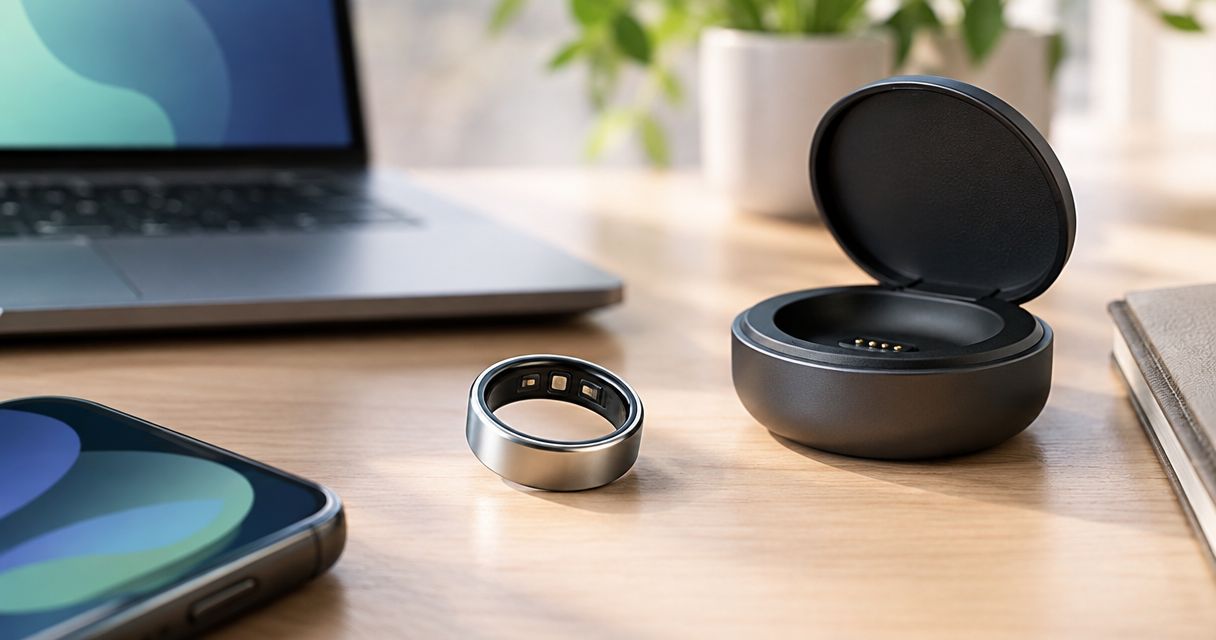
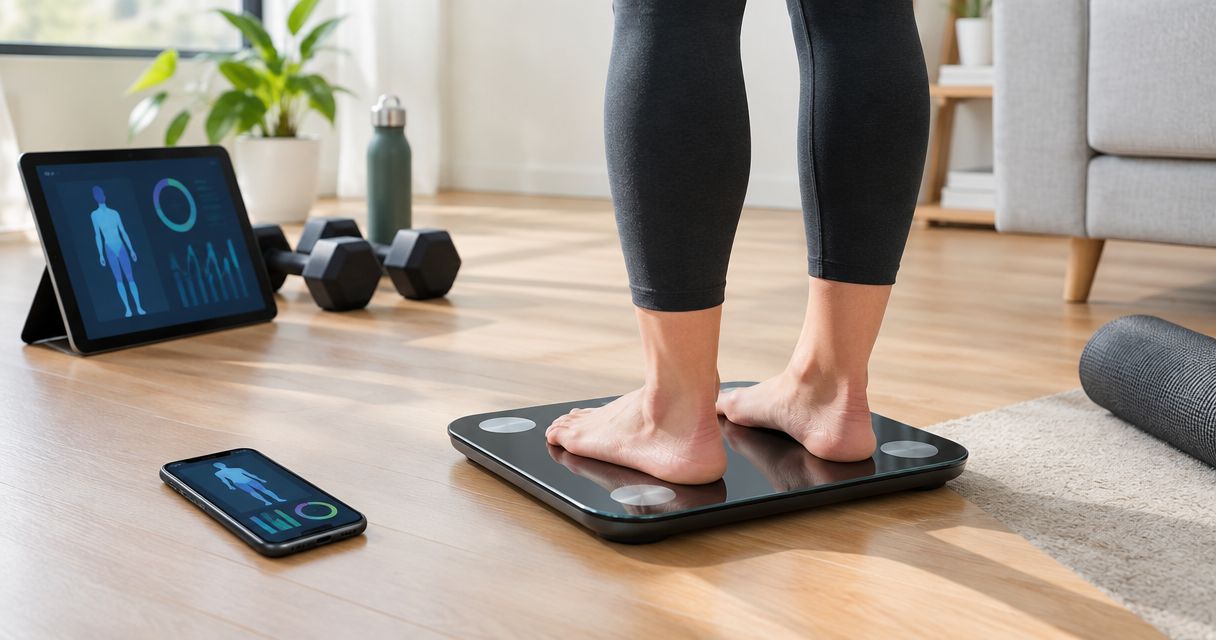
Best overall for home muscle-mass trends: a smart scale that explicitly reports muscle mass. Best for regional estimates: a segmental body-composition scale. Best simple alternative: a weight-only scale paired with a training log—but not for measuring muscle. This 2026 guide explains those choices and where Actxa fits when you compare body-composition devices.
- For smart scale muscle mass tracking, choose an explicitly labeled muscle metric—not body weight or fat-free mass alone.
- Segmental body-composition scales suit readers who want regional estimates, but those estimates still depend on measurement conditions.
- Actxa Sense 2 Smart Scale belongs on a body-composition shortlist; confirm its muscle metric before choosing it for muscle tracking.
- Use consistent measurement conditions and training progress together; a single scale reading does not establish muscle gain.
Why this matters
A smart scale can make body-composition tracking convenient. It cannot turn every change in its muscle estimate into evidence that you built or lost muscle.
Many body-composition scales use bioelectrical impedance analysis, or BIA. They measure electrical impedance and apply a prediction model to estimate body composition; they do not directly weigh your muscles. Hydration and measurement conditions affect the estimate.
Choose the metric first and the device second. For your 2026 shortlist, the question is not how many measurements an app displays. It is whether the scale reports the measurement you need, explains it, and lets you follow it consistently.
What makes the best smart scale for muscle tracking?
Use these criteria before comparing devices:
- Explicit muscle metric: The scale should identify whether it reports muscle mass, skeletal muscle mass, or another measurement. These labels are not interchangeable.
- Measurement method: Understand whether the device measures through your feet alone or uses additional contacts for segmental estimates.
- Readable history: You need a trend you can review, not just a result that disappears after weighing.
- Consistent conditions: The device must fit a repeatable routine, including placement, contact, and measurement timing.
- Clear units: Distinguish kilograms of estimated muscle from percentages and from fat-free mass.
- Useful interpretation: Favor explanations of what a reading means over an unexplained score or label.
A scale reporting more fields is not automatically a better muscle-tracking device. Several fields can come from the same underlying measurement and prediction model.
Smart scale muscle mass tracking options at a glance
The ranking below separates measurement approaches rather than assigning unsupported accuracy scores to individual products. The named store option is included for its stated body-composition purpose, not as a verified muscle-measurement winner.
| Option | Best for | Standout feature or purpose | Key limitation |
|---|---|---|---|
| Muscle-reporting foot-contact BIA smart scale | Routine whole-body trends at home | Combines weighing with an estimated muscle metric | Estimates depend on hydration and the prediction model |
| Segmental BIA smart scale | Regional body-composition estimates | Uses additional contacts to estimate body segments | Regional estimates still are not direct muscle measurements |
| Sense 2 Smart Scale | A body-composition shopping shortlist | Described as measuring beyond body weight | Confirm the exact muscle field, method, and history features |
| Weight-only scale with a training log | Keeping weight and performance records separate | Tracks weight without interpreting it as muscle | Cannot estimate muscle mass |
1. Muscle-reporting BIA scale: best for routine home trends
A muscle-reporting BIA smart scale is the default choice when your goal is a repeatable home record. You step on the scale, obtain body weight, and receive an estimated muscle measurement if that specific device supports it.
The important qualification is muscle-reporting. A product described only as a smart scale or body-fat scale does not automatically meet that requirement.
Muscle-reporting BIA scale pros
- Combines a familiar weighing routine with body-composition estimates.
- Supports comparisons over time when measurement conditions stay consistent.
- Provides a muscle-specific field when the device explicitly includes one.
- Avoids the extra handling required by a hand-contact device.
Muscle-reporting BIA scale cons
- Hydration changes can affect the estimated result.
- Prediction models differ, so readings from different devices need not agree.
- Foot-contact measurements do not directly measure individual muscles.
Best for: You want a practical whole-body trend alongside your training record, not a clinical determination of muscle tissue.
Before choosing a device in 2026, inspect an example report or its documentation. Look for the actual field name and unit, then check whether historical readings remain accessible. A colorful dashboard is not a substitute for a clear definition.
Verdict: Buy a muscle-reporting BIA scale for consistent home trends; skip any model whose muscle measurement remains unclear.
2. Segmental BIA scale: best for regional estimates
A segmental BIA scale uses multiple electrical contacts and measurement paths to estimate body composition by region. Devices in this category often include hand contacts as well as foot contacts; check the specific design rather than assuming the word segmental guarantees a particular setup.
Your body has 4 limbs, but a whole-body muscle result does not tell you how estimated tissue is distributed between them. Regional reporting addresses a different question from a single total.
Segmental BIA scale pros
- Provides regional estimates when the device explicitly supports them.
- Helps you distinguish a whole-body result from a regional result.
- Suits readers who want more detail than a total muscle field.
Segmental BIA scale cons
- Additional contacts make positioning and technique more involved.
- Hydration and prediction models still affect the results.
- A regional difference does not diagnose an injury or establish a strength imbalance.
Best for: You specifically want regional body-composition estimates and will follow the device's positioning instructions.
Do not choose a segmental scale solely because it sounds more advanced. If you only review total weight and a whole-body muscle trend, the additional setup serves no clear purpose. Match the measurement to the question you actually intend to ask.
Verdict: Buy a segmental BIA scale for regional estimates; skip the extra complexity when a whole-body trend meets your goal.
3. Sense 2 Smart Scale: best for a body-composition shortlist
Actxa Sense 2 Smart Scale is described as a smart body scale that goes beyond weight to provide a fuller picture of body composition. That places it within the relevant shopping category, but body-composition tracking and muscle-specific tracking are not identical claims.
Actxa Sense 2 Smart Scale is best for health-conscious buyers building a body-composition shortlist. For a muscle-focused purchase, confirm the exact measurement displayed and how its history is presented.
Sense 2 Smart Scale pros
- Its stated purpose includes body composition beyond weight.
- It is a named smart scale rather than a wearable being mistaken for one.
- Its body-composition focus makes it relevant to a broader wellness-tracking routine.
Sense 2 Smart Scale cons
- A body-composition description alone does not establish a skeletal-muscle measurement.
- The muscle field, measurement method, and history format require confirmation before a muscle-focused purchase.
Best for: You are considering Actxa for body-composition tracking and want to verify that the scale matches your intended metric.
Ask a precise question: does the device report muscle mass, skeletal muscle mass, or fat-free mass? Also confirm the unit. Do not treat those fields as equivalents or infer muscle capability from the product category alone.
Verdict: Hold until the muscle metric and tracking workflow match your goal.
4. Weight-only scale: best for separating weight from performance
A weight-only scale measures body weight without estimating muscle mass. Pairing its readings with a training log gives you separate records of weight and exercise performance, but it does not produce a muscle measurement.
This option earns a place because the distinction matters. You can use a simpler measurement honestly instead of giving an estimated body-composition field more authority than it deserves.
Weight-only scale pros
- Keeps the measured variable clear: body weight.
- Fits a straightforward routine.
- Lets you review weight and training performance without merging them into a muscle score.
Weight-only scale cons
- Cannot distinguish muscle from fat, water, or other contributors to weight.
- Cannot confirm muscle gain from weight change alone.
- Requires separate records for training performance.
Best for: You want a weight record and accept that muscle change remains a separate question.
For your 2026 decision, this is an alternative to muscle estimation—not an equivalent replacement. Improved lifting performance adds useful context, but performance changes also reflect technique and other adaptations.
Verdict: Buy for weight tracking; skip as a standalone muscle-mass tracker.
How to read muscle estimates without misreading progress
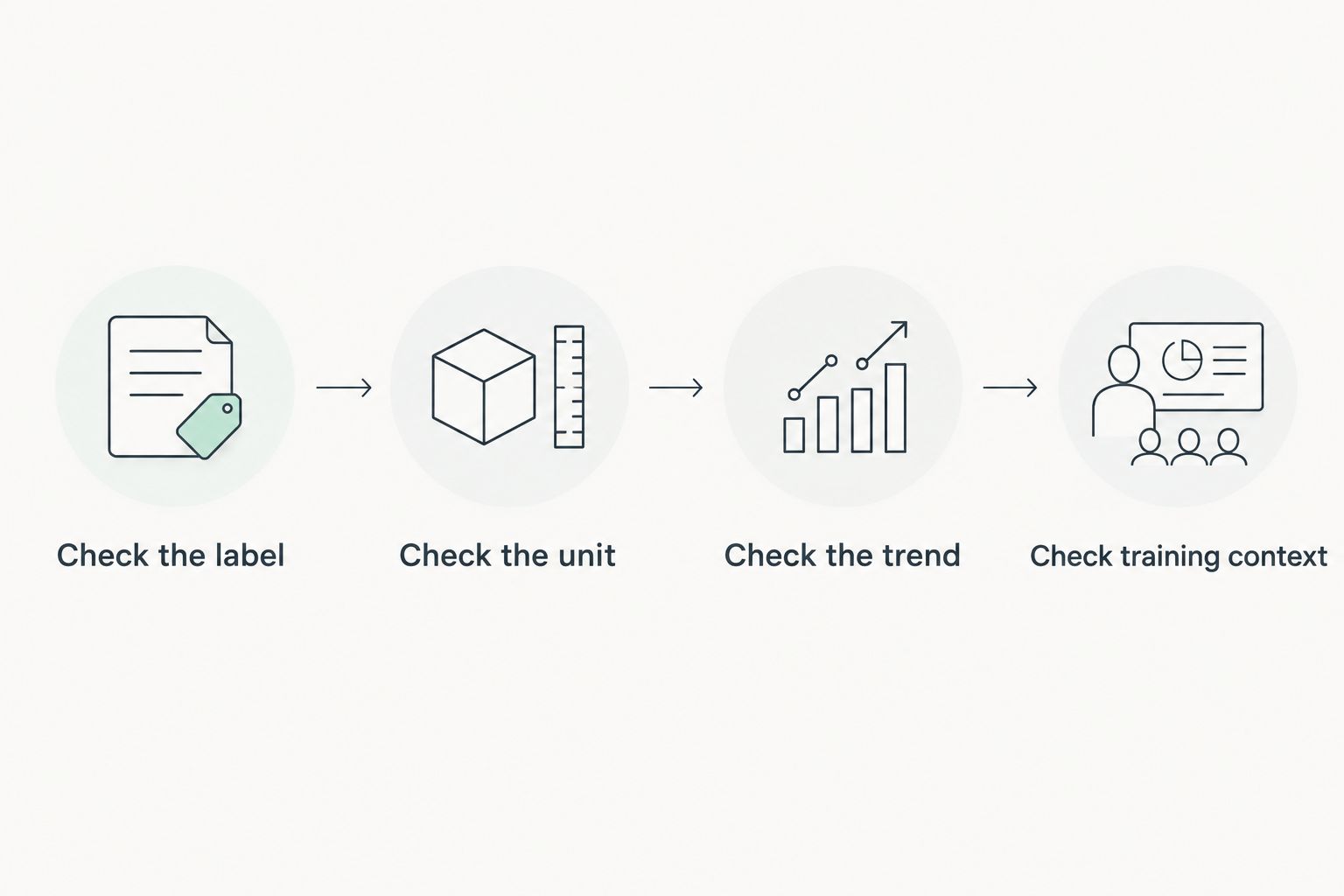
Check the label
Muscle mass, skeletal muscle mass, and fat-free mass describe different things. Fat-free mass includes water, organs, bone, and other non-fat tissue; it is not another name for skeletal muscle.
Read the device's definition before interpreting a change. If the definition is unclear, the result is not ready to guide your training decisions.
Check the unit
A mass value and a percentage answer different questions. Kilograms describe an estimated amount; a percentage describes a share of total body mass.
The unit conversion is fixed: 1 kilogram equals 1,000 grams. Changing display units does not add measurement precision, and a muscle percentage can change when total body weight changes even if estimated muscle mass stays constant.
Check the trend
Compare readings from the same device under similar conditions. Switching scales or changing your routine introduces differences that are not evidence of tissue change.
Look beyond a single reading. A sustained pattern is more useful than a result taken after an unusually sweaty workout or a different eating and drinking routine.
Check training context
Review your exercise record alongside the scale trend. Neither record replaces the other: the scale estimates composition, while the training log records what you did.
Build a repeatable weighing routine
Place the scale on the surface specified in its instructions. Use the same location and follow its contact requirements; for BIA devices, electrode contact is part of the measurement.
Choose a consistent point in your routine. Avoid comparing a reading after exercise with one taken under very different hydration conditions, then calling the difference muscle gain or loss.
Keep the device consistent throughout your 2026 tracking period. If you change scales, treat the new device as a new baseline rather than assuming its first reading belongs on the old trend.
Follow the manufacturer's safety instructions, including guidance about implanted electronic medical devices. Discuss device suitability with your clinician when those warnings apply to you.
How these options are ranked
The ranking prioritizes an explicit muscle field, a usable history, and a measurement routine you can repeat. Regional estimates come next because they serve a narrower question, not because extra fields automatically establish better accuracy.
Sense 2 Smart Scale is included for its stated body-composition purpose. The weight-only option shows the boundary between measuring weight and estimating muscle. This is a buying framework, not a head-to-head accuracy test.
Which muscle-tracking scale should you choose?
Choose a muscle-reporting BIA smart scale as the default for home trends. Move to segmental measurement only when regional estimates answer a question a whole-body result cannot.
If Actxa is on your 2026 shortlist, confirm the Sense 2 Smart Scale's muscle field before purchasing for that purpose. The product category establishes relevance; the field definition establishes fit.
Keep your expectations precise. A home scale supports a tracking routine—it does not independently prove that a change in an estimate represents new muscle tissue.
FAQ
What's the best smart scale for muscle mass tracking in 2026?
For routine home trends, choose a BIA smart scale that explicitly reports a muscle metric and provides readable historical results. Choose a segmental device when you specifically need regional estimates, not simply because it displays more fields.
Can a smart scale directly measure my muscle mass?
A BIA smart scale estimates muscle mass rather than directly weighing muscle tissue. It measures electrical impedance and uses a prediction model to calculate body-composition results.
Is fat-free mass the same as muscle mass?
No, fat-free mass is not the same as muscle mass. It includes water, organs, bone, and other non-fat tissue, so a change in fat-free mass does not establish an equivalent change in muscle.
Is a segmental scale better than a regular body-composition scale?
A segmental scale is better suited to regional estimates, while a whole-body scale suits total trends. Additional measurement detail does not remove the effects of hydration or make the results direct muscle measurements.
Does Sense 2 Smart Scale suit muscle tracking?
Sense 2 Smart Scale belongs on a body-composition shortlist, but confirm its exact muscle metric before choosing it specifically for muscle tracking. Check the field name, unit, measurement method, and historical display.
Why did my scale's muscle estimate change after exercise?
Exercise-related changes in hydration can affect a BIA muscle estimate. Compare readings under consistent conditions rather than treating a post-workout change as immediate muscle gain or loss.
Can a weight-only scale tell me whether I gained muscle?
No, a weight-only scale cannot identify muscle gain. Body weight includes muscle, fat, water, and other tissue, so weight changes need additional context.
Should I compare muscle readings from different smart scales?
Do not treat muscle readings from different scales as interchangeable. Devices can use different measurement paths and prediction models; establish a new baseline when you switch.
One last thing
A muscle percentage can rise without an increase in estimated muscle mass. The percentage depends on total body weight as well as the estimated muscle amount.
Before celebrating a higher percentage, check the corresponding mass value and your training record. That small habit makes your tracking more useful than collecting another unexplained score.