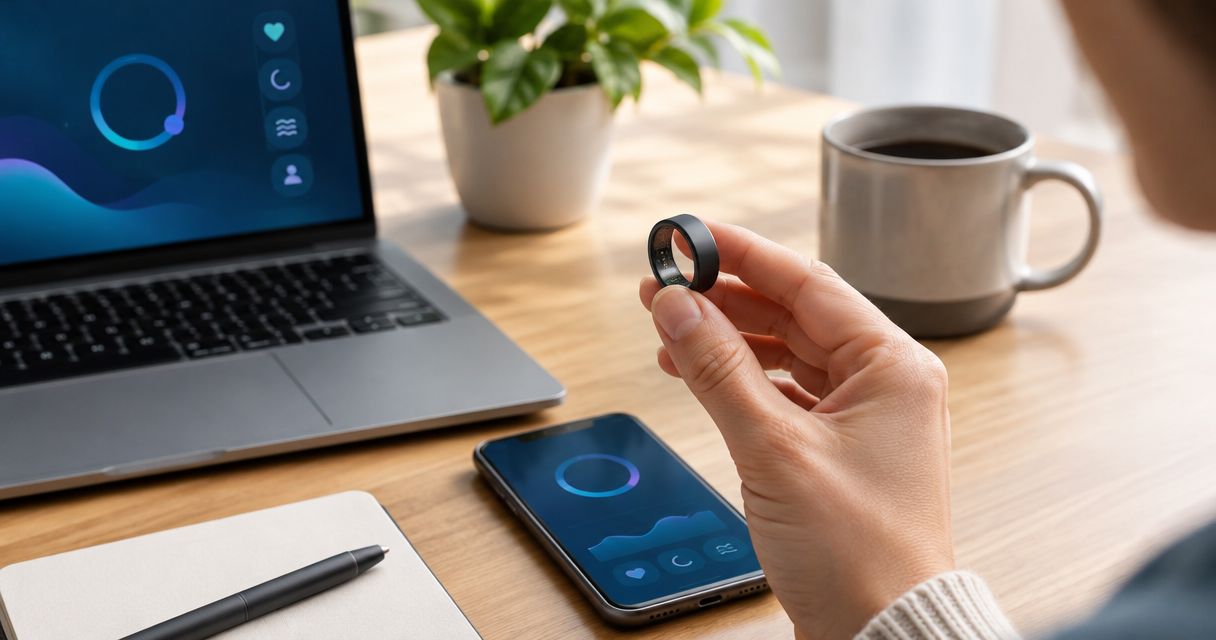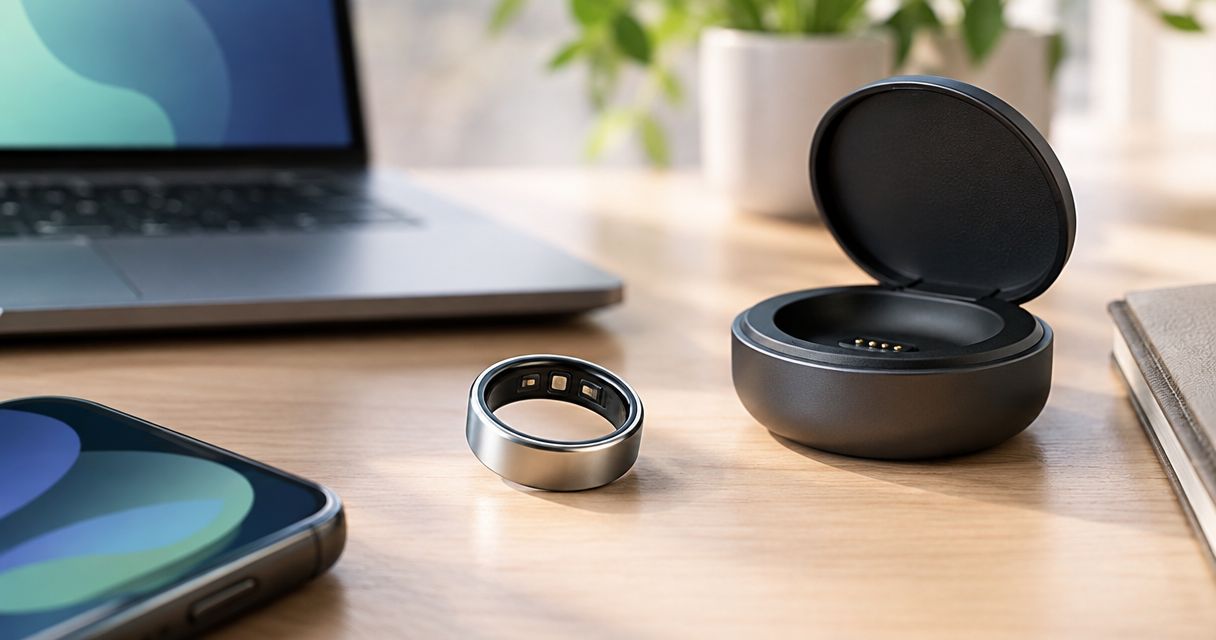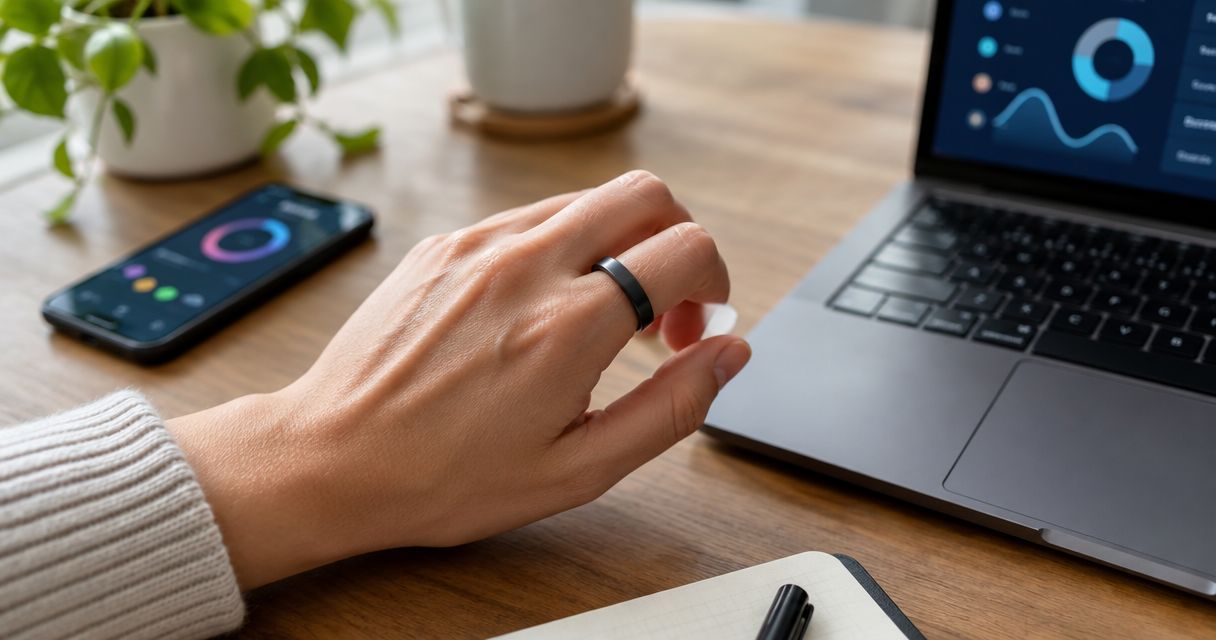
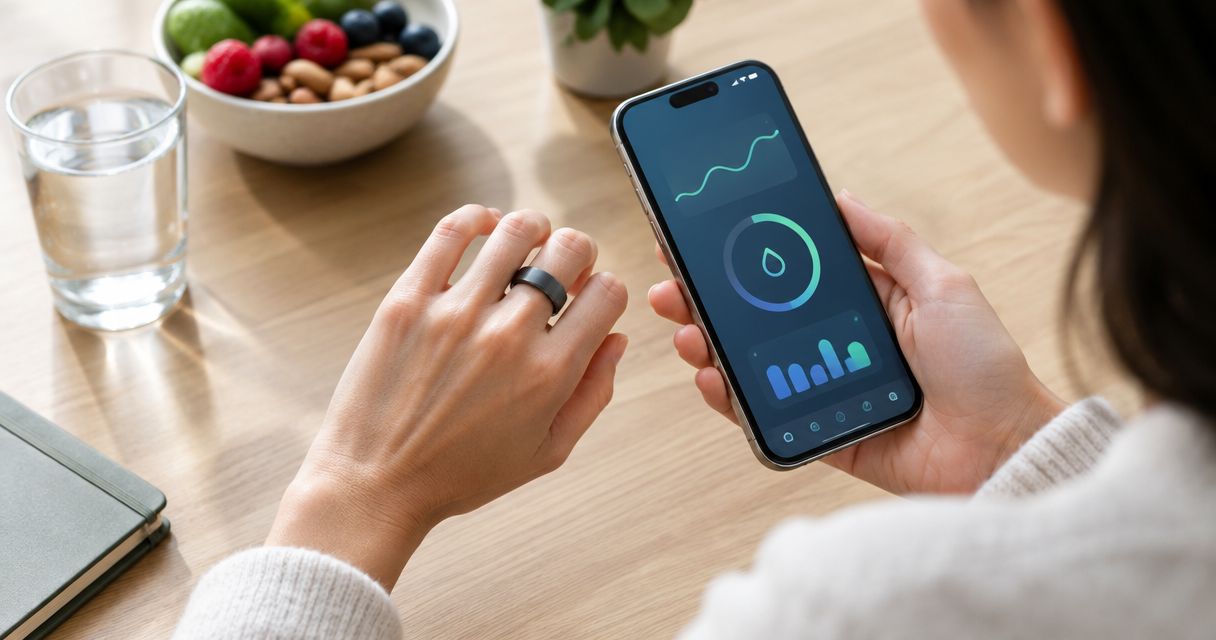
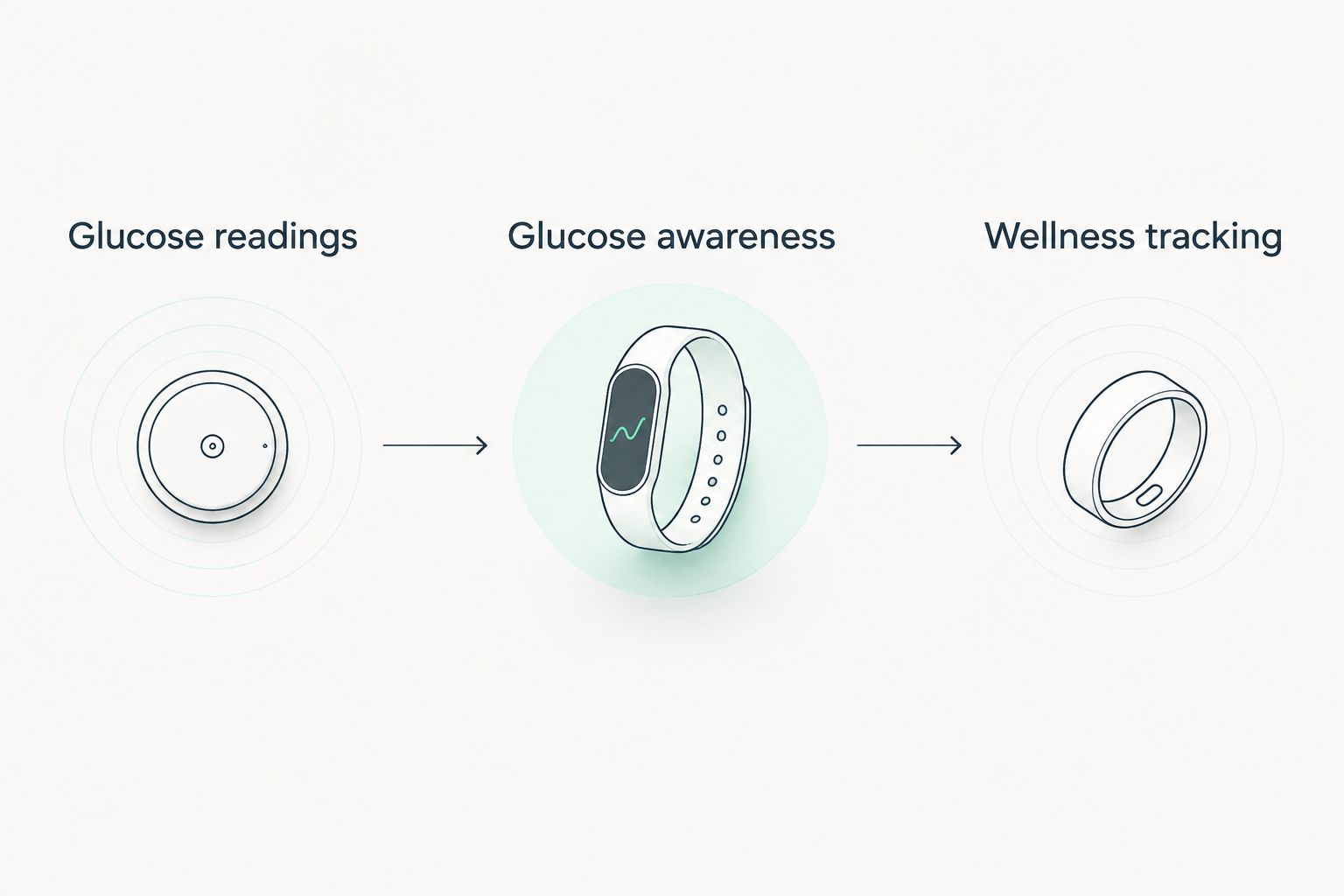
Best for glucose readings: a continuous glucose monitor (CGM). Best for glucose awareness in a wearable: Spark Band. Best for discreet ring-form wellness tracking: Core Smart Ring. The Actxa store does not document blood-glucose measurement for its Core Smart Ring, so do not choose it as a substitute for a CGM.
- For smart ring glucose monitoring, choose a CGM when you need glucose readings; it is a sensor, not a ring.
- Spark Band is the Actxa wearable described as offering glucose awareness, but its description does not establish glucose measurement.
- Core Smart Ring is best for discreet ring-form wellness tracking, not documented glucose monitoring.
Why this matters
Glucose readings, glucose awareness and general health tracking are different buying goals. A CGM measures glucose through a sensor that sits beneath the skin. The supplied description of Spark Band says glucose awareness; the supplied description of Core Smart Ring says health tracking. Neither description establishes that the device measures blood glucose.
That distinction matters most if you use glucose information to make medical decisions. The FDA warns consumers not to use smart rings or smartwatches that claim to measure blood glucose without piercing the skin. If you need readings to manage diabetes, choose a glucose-monitoring device with the appropriate medical clearance and discuss its use with your clinician. A wellness feature is not a replacement.
What makes the best glucose-tracking option?
Use these criteria before comparing devices. They keep a ring's form factor from outweighing what you need the device to do.
- Type of information: Does the device provide glucose readings, describe a glucose-awareness feature, or offer general health tracking? These are not interchangeable.
- How measurement works: A CGM uses a sensor beneath the skin. Do not assume a ring measures glucose because it tracks other health signals.
- Intended use: If you need data for a medical decision, check the device's stated purpose and regulatory status. Do not infer either from the word smart.
- Wearable format: Decide whether a sensor, wrist band or ring fits your routine after confirming that the device meets your information needs.
- Evidence in the product description: Look for a direct statement about the information the device provides. An unspecified health-tracking claim does not establish a glucose feature.
- Fit: A ring has to fit comfortably for everyday wear. Fit is a separate question from glucose capability.
Choose the information first, then the form factor. If glucose readings are the requirement, a ring with undocumented glucose capability fails that test even if you prefer how it feels.
Glucose-tracking options at a glance
| Option | Best for | Standout feature | Key limitation |
|---|---|---|---|
| Continuous glucose monitor (CGM) | Glucose readings | Measures glucose using a sensor beneath the skin | Not a smart ring |
| Spark Band | Wearable glucose awareness | Its description explicitly names glucose awareness | A band, with no documented glucose readings in the supplied description |
| Core Smart Ring | Discreet ring-form wellness tracking | Health tracking in a ring | No documented glucose-measurement feature in the supplied description |
The table is a decision tree, not a ranking of three glucose-measuring rings. Only the CGM category is identified here as a source of glucose readings. Spark Band and Core Smart Ring answer different wearable preferences.
1. Continuous glucose monitor: best for glucose readings
A continuous glucose monitor uses a small sensor beneath the skin to measure glucose in interstitial fluid. It is the appropriate category to investigate when your goal is a stream of glucose readings rather than a broad wellness feature. It is not a smart ring, and that trade-off is central to this comparison.
CGM pros:
- Provides glucose readings, which directly address a glucose-monitoring goal.
- Has a measurement method distinct from a ring's general health-tracking description.
- Gives you a clear device category to discuss with a clinician if you manage a medical condition.
CGM cons:
- Requires a sensor beneath the skin; it is not a noninvasive ring.
- Choosing a specific CGM requires checking that device's intended use and suitability for you.
CGM best for: People who need glucose readings, especially when those readings will inform a care plan.
Verdict — Buy an appropriate CGM if your clinician recommends glucose monitoring. Do not replace that decision with a ring chosen for its shape.
2. Spark Band: best for wearable glucose awareness
Spark Band is a screenless health band whose supplied description explicitly includes glucose awareness, recovery, sleep, fitness and activity. That makes it the clearest Actxa option here for someone interested in the stated glucose-awareness feature. It is not documented here as a device that measures blood glucose, and it is not a ring.
Spark Band pros:
- Glucose awareness is named in its product description.
- Combines that stated feature with recovery, sleep, fitness and activity tracking.
- Offers a screenless band format if you do not require a ring.
Spark Band cons:
- Does not meet a requirement for a ring-shaped wearable.
- Its supplied description does not establish glucose readings or a method for measuring glucose.
- Its glucose-awareness feature must not be treated as a medical reading without further documentation.
Spark Band best for: Someone who wants the described glucose-awareness feature alongside broader wellness tracking and does not require glucose readings for medical decisions.
Verdict — Hold if you need glucose measurements. Consider Spark Band only after confirming that its stated glucose-awareness feature matches what you expect to see and do.
3. Core Smart Ring: best for discreet wellness tracking
Core Smart Ring is described as health tracking in a smart ring for people who want a discreet wearable. It is the ring-shaped Actxa option in this comparison, but its supplied description does not identify a glucose-awareness or glucose-measurement feature. Buy it for its stated purpose, not for an assumed one.
Core Smart Ring pros:
- Meets the ring-form preference that a CGM and Spark Band do not.
- Is explicitly described as a health-tracking wearable.
- Has a separate Ring Sizing Kit described for trying sizes before confirming an order.
Core Smart Ring cons:
- No blood-glucose measurement is documented in the supplied description.
- No glucose-awareness feature is documented in the supplied description.
- You need to settle ring fit separately from deciding whether its health-tracking purpose suits you.
Core Smart Ring best for: Someone who wants discreet ring-form health tracking and does not need the ring to provide glucose information.
Verdict — Skip Core Smart Ring for glucose monitoring. Consider it for the stated health-tracking purpose once you have checked the current feature details and fit.


How these options were ranked
The ranking puts the stated need for glucose information ahead of the preferred wearable shape. A CGM comes first because it measures glucose. Spark Band follows because its description names glucose awareness, though it does not establish glucose readings. Core Smart Ring is third because it satisfies the ring preference while its supplied description does not document a glucose feature.
This ranking does not establish that every CGM suits every person, or that glucose awareness and glucose measurement mean the same thing. Check the intended use of any specific device before relying on its information. For a medical decision, involve your clinician.
Which glucose-tracking option should you choose in 2026?
Choose a CGM if glucose readings are the reason you are shopping. It is the default answer to a request for glucose monitoring, even though it is not a smart ring. Confirm the specific device and its intended use with a clinician if the readings will affect medical care.
Choose Spark Band if you want the glucose-awareness feature named in its description and accept a screenless band instead of a ring. Ask what that feature provides before assuming it produces readings. Choose Core Smart Ring if discreet wellness tracking matters more than glucose information; its stated description supports the ring choice, not a glucose-monitoring claim.
For a smart ring glucose monitoring search in 2026, the crucial filter is therefore simple: do not treat ring-form health tracking as proof of glucose measurement. The same rule applies to any 2026 product page that uses broad health language without stating how glucose is measured.
FAQ
What is the best smart ring for glucose monitoring in 2026?
No smart ring in the supplied Actxa catalog is documented as measuring glucose. Choose an appropriate CGM if you need glucose readings; Core Smart Ring is described as a health-tracking ring, not a glucose monitor.
Does Core Smart Ring measure blood glucose?
Blood-glucose measurement is not documented in the supplied Core Smart Ring description. Do not rely on it for glucose readings unless its current product documentation explicitly establishes that capability.
Does Spark Band provide glucose readings?
Glucose readings are not established by the supplied Spark Band description. It names glucose awareness, which should not be treated as a documented blood-glucose measurement.
Is Spark Band a smart ring?
No. Spark Band is described as a screenless smart health band; Core Smart Ring is the ring-shaped wearable in this comparison.
Is a CGM better than a smart ring for glucose readings?
Yes, when glucose readings are the goal. A CGM measures glucose through a sensor beneath the skin, while the supplied Core Smart Ring description does not document glucose measurement.
Can I use a wellness wearable instead of a CGM for diabetes care?
Do not substitute a wellness wearable for a glucose-monitoring device used in diabetes care. Discuss device selection and the information you need with your clinician.
How should I choose between Spark Band and Core Smart Ring?
Choose based on their stated purposes: Spark Band names glucose awareness alongside other wellness features, while Core Smart Ring offers health tracking in a ring. Neither supplied description establishes blood-glucose readings.
One last thing
A ring can be the right wearable and still be the wrong glucose device. In 2026, start by asking whether the product documentation promises glucose readings, glucose awareness or general health tracking. That question resolves the choice faster than comparing shapes.